WWMLD? What Would Monsignor Luigi Do?

Ā Ā Ā Ā  What does a monsignor to the Vatican do when he’s not in Rome doing what a monsignor does?
Inquiring minds want to know, and I, my dears, have the answers!

.

.

Recently I had the pleasure of having breakfast with Monsignor Luigi Falcone, a secretary of state to the Vatican, right here in San Diego.

.

My student Bill (aka Giorgio) invited me. Giorgio and his wife Gina were hosting Monsignor Luigi during his first-ever vacanza (vacation) to California. Gina and Luigi, it turns out, are fourth cousins whose bis nonni (great grandfathers) were cugini (cousins) from Bisignano, Calabria…. Gina and Giorgio had met Luigi during a vacation to Italy many years ago, and he’d made a promise to visit them one day in San Diego, and now, here he was!

.

.

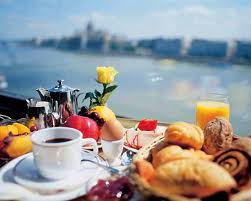
When we met, Luigi had just flown in the day before with his friend Lillo. So, I was meeting them at their first colazione all’americana (American breakfast), which you may know, is substantially different from a typical Italian breakfast.

.

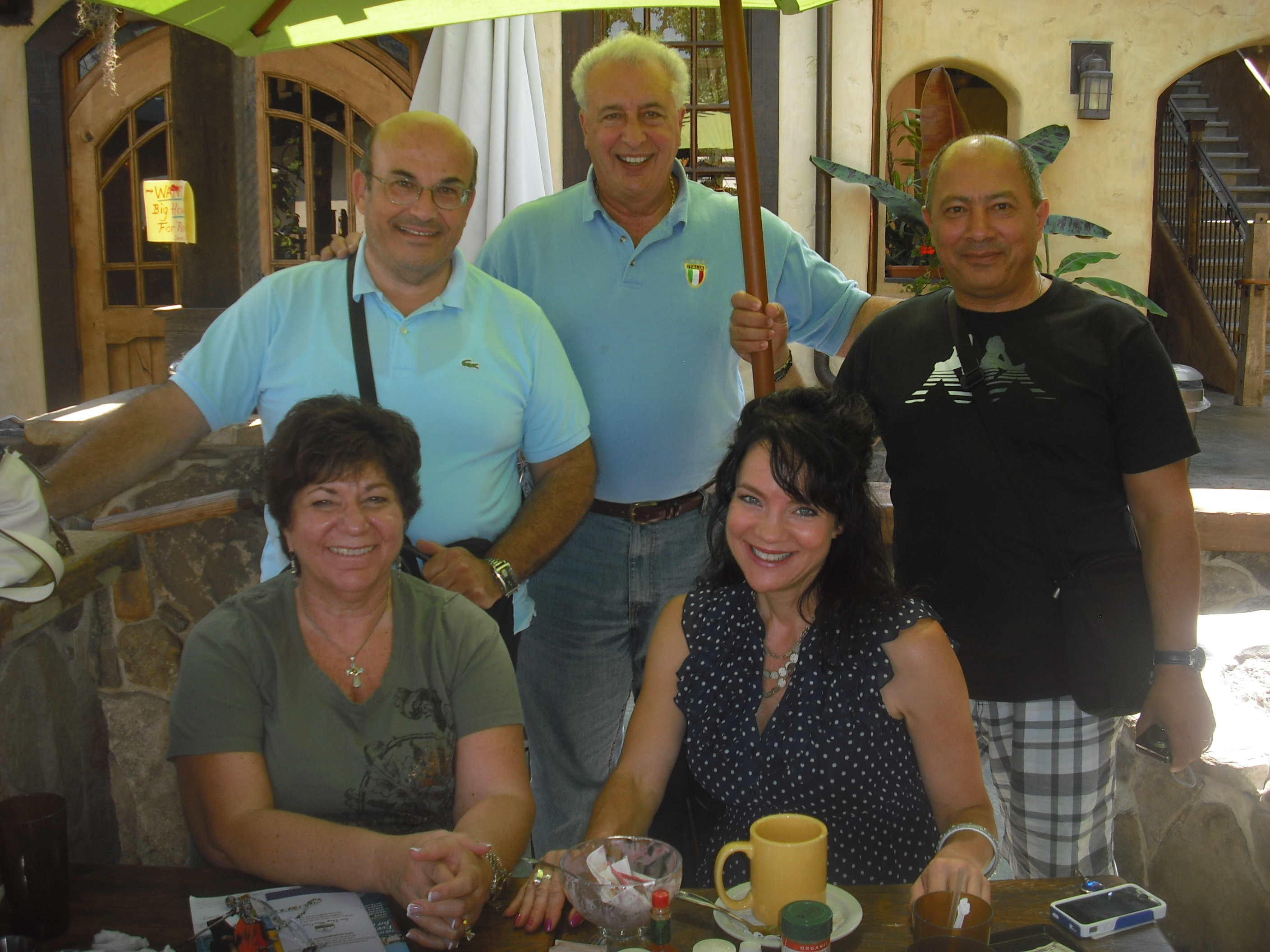
Now onestamente (honestly), I had no idea what to expect… I imagined I’d see a man wearing a funny-shaped hat and long robes. But until we were introduced, I had no idea which of the two men was Monsignor Luigi, and which was Lillo. It turns out he was the one wearing una camicia sportiva azzurra (a blue polo shirt) — just like any lay-person might do on a warm Southern California morning!

.

When asked about ā€œuniformsā€ (in italiano, ā€œdiviseā€), he said when he’s working at il Vaticano, he wears lunghi vesti neri (long black robes) con una fusciacca viola (with a purple sash). And when going about his personal business, he must wear some type of colletto (collar) identifying him as clergy. But here, off duty and on vacation, he can wear whatever he wants. As the saying goes, when in SoCal…

.

Monsignor Luigi, Giorgio, Lillo, Gina, Jodina
Where’s Luigi? (E’ l’uomo a sinistra.)

.

So what did we talk about and what did we EAT? Well, Luigi took the advice of our cameriere (waiter) and had the panino all’uovo e formaggio (egg and cheese breakfast sandwich). Lillo on the other hand, who’d already had a classic Italian breakfast ofĀ caffe e biscotti (coffee and biscuits) had the homemade date bar.

.

You may be wondering whether we engaged in lofty, pithy conversation… for a little while, we did touch on lo stato del mondo (the state of the world) and la politica (politics), but mostly, I was translating between the four of them (giving them and their iPad translator apps a welcome rest!) on the topic of where they’d go and what they’d see during their time in sunny California.

.

So where did they go and what did they see? The important cathedrals of SoCal? Non proprio! (not at all)… they gleefully went alla spiaggia (to the beach), SeaWorld, DisneyLand, UniversalĀ  Studios, allo zoo (to the San Diego Zoo), Los Angeles, Palm Springs, and Newport Beach… and according to Giorgio, si sono divertiti un mondo (they had a blast)!

.

Il morale della storia? (The moral of the story?) When in San Diego from Rome, do as the San Diegans do! (Wear polo shirts, eat egg & cheese sandwiches, visit Seaworld and Disneyland!) And, last I heard, they were talking about ā€œnext timeā€ when they’ll go to Las Vegas!

.

.

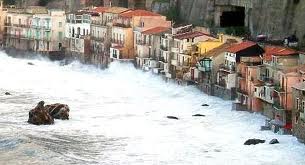
Sidenote: I’m looking forward to visiting my new friends in Italy, where I’ll visit Lillo’s city, Scilla, and do as the Scillans do – pescano (they fish) right off the balconi (balconies) of their homes built into the side of the cliffs overlooking the Mar Tirreno (Tyrrhenian Sea) …!

.

Link to Mons. Luigi on internet – See him in traditional attire at the celebration of his 25 years as a priest.

.

Have any interesting ā€œvacationing Italianā€ anecdotes you want to share? Ever been to Scilla? I love reading your comments!

.

Ā 

Get the latest news & updates!

Ā 

Posted in Italian Customs, Italian Vocabulary, learn italian, Sayings, Vocaboli Italiai | Tagged , , , , , , , | 1 Comment

Guest Blog: Part 2–“La scuola”

A Student in Florence

Ecco (Here is) Lisa’s second blog post! If you didn’t read the first one, it’s here: Guest Blog Part 1

In breve (in short), Lisa, one of my students, is living her sogno (dream) by spending sette settimane (seven weeks) a Firenze (in Florence), where she has affittato un’appartamento (rented an apartment) and si ĆØ iscritta (she has enrolled) a una scuola di lingua italiana (in an Italian language school) — un sogno condiviso da molti (a dream shared by many).Ā  Lisa is sharing le sue esperienze (her experiences) in a series of guest blogs that I am featuring here on my website.

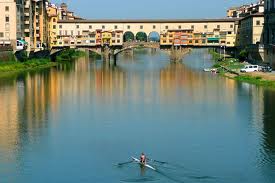
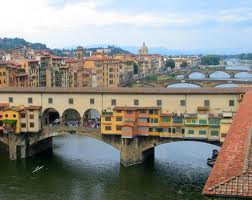
Il Ponte Vecchio sopra il Fiume Arno a Firenze

Che bella giornata a Firenze oggi!
My dream trip is well into it’s 4th day, and I am finally feeling rested and over the incredible jet lag.

I have been in the advanced intermediate class at the KoinĆØ Institute for three days now and am absolutely loving it! Jodina did an amazing job preparing me in the advancement of my Italian skills! Ā Tante grazie bella šŸ™‚

There are only five of us in class, all from different countries, with the only common language being Italian. You can imagine the fun we have trying to communicate – LOL. All kidding aside, we do manage to have some quite lofty conversations. Today we discussed the lowered bond rating for Italy and how the euro has not helped the Italian public’s cost of living.

I am throughly enjoying myself here in this magnificent city. Last night I was entertained by a free opera performance in front of The Duomo and a fabulous jazz trio in another small piazza. Ā It is a wonderful city for the solo traveler, as you never feel alone. There are friendly people everywhere, and so many activities from which to choose.

Arrividerci a tutti!

La Contessa* Lisa DeLucchi šŸ™‚

[*This is Lisa’s soprannome (nickname) in the Italian Conversation & Study Group.]

The Ponte Vecchio bridge over the Arno River in Florence

Ecco some Italian vocabulary from Lisa’s blog post:

  1. to have jet lag: soffrire dal fuso orario
  2. advancement of Italian skills: progresso in italiano
  3. students from different countries: studenti da paesi diversi
  4. kidding aside: scherzi a parte
  5. lofty conversation: conversazione elevataĀ 
  6. the cost of living: il costo della vita
  7. a magnificent city: una cittĆ  magnifica
  8. an opera performance: un concerto lirico
  9. friendly people everywhere: gente amichevole dappertutto

Do you dream of an adventure like Lisa’s? Do you have a story of your own to share? We welcome your comments below!

Ā 

Get the latest news & updates!

Posted in Expressions, Guest Blog, Italian Vocabulary, learn italian, Uncategorized, Vocaboli Italiai | Tagged , , , , , , , , | 1 Comment

Una Celebrazione di FIBER ARTS>>

Le antiche arti femminili

fiber arts

Ā 

Perhaps you practice one of the many varieties of fiber arts, or perhaps you just appreciate i prodotti finiti (the finished products) resulting from skills that have been tramandati da generazione in generazione (passed from generation to generation).Ā 

Ā 

Before la produzione in massa (mass production), fiber arts were integral to the creation of everyday knit and woven goods. These traditional artisan art forms now enjoy great popularity as hobbies.

.

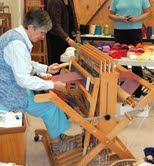
Mimi al telaio (Mimi at the loom)

.

L’ispirazione per questo blog (The inspiration for this blog post) comes from my student Mimi, an accomplished tessitrice e filatrice (weaver and spinner).Ā  This weekend (October 8-9, 2011) is the Vista Fiber Arts Fiesta.Ā  If you are lucky enough to live near north San Diego County, check out this link and check out the event! www.VistaFiberArtsFiesta.com

.

Here is Italian vocabulary related to the most popular forms of fiber arts:

  1. le antiche arti femminili: literally, the ancient feminine arts. While there are no exact translations for fiber arts, this term perhaps comes the closest.
  2. lavorare a maglia/Lavorare a uncinetto: to knit/to crochet
  3. i ferri per la maglia: knitting needles
  4. l’uncinetto: crochet hook
  5. il gomitolo di lana: ball of wool/yarn
  6. la matassa: skein
  7. il filo di lana/di seta: wool/silk yarn
  8. le forbici: scissors
  9. il metro da sarta: tape measure
  10. la tessitura: weaving
  11. un tessitore, m/una tessitrice, f: a weaver
  12. tessere a mano: to weave by hand
    Lavorare a telaio:Ā  to weave with a loom
  13. un filatore, m./una filatrice, f.: spinner
  14. il filatoio a mano: spinning wheel
  15. cucire: to sew
  16. la macchina per cucire: sewing machine
  17. l’ago e il filo: needle and thread
  18. il cartamodello: pattern

Ā 

Do you practice any of the fiber arts (le antiche arti femminili)?Ā 

Got any words to add to this glossary? I love hearing your comments!

.

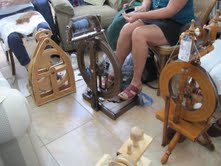
I filatoi a mano (Spinning wheels)

.

Posted in Guest Blog, Italian Vocabulary, learn italian, Sayings, Uncategorized, Vocaboli Italiai | Tagged , , , , , , , | 4 Comments

Guest Blog: Una studentessa a Firenze

A Student in Florence

Ā Ā Ā Ā  Una delle mie studentesse (one of my students), la simpaticissima Lisa DeLucchi, is living her sogno (dream) by spending sette settimane (seven weeks) a Firenze (in Florence), where she has affittato un’appartamento (rented an apartment) and si ĆØ iscritta (she has enrolled) a una scuola di lingua italiana (in an Italian language school).

.

Ā Ā Ā Ā  I’m pretty certain Lisa’s adventure is a dream shared by many of my students and readers. Che bello allora (how nice then) that Lisa has graciously agreed to share her experiences in a series of guest blogs that I will be featuring here on my website, completo con delle fotografie (complete with photos).

.

Ā Ā Ā Ā  Ecco il suo primo blog (here is her first blog post).Ā  Auguri e grazie a Lisa! (Good wishes and thanks to Lisa!)Ā  E a voi, buona lettura. (And to ā€œy’allā€, happy reading.)

.

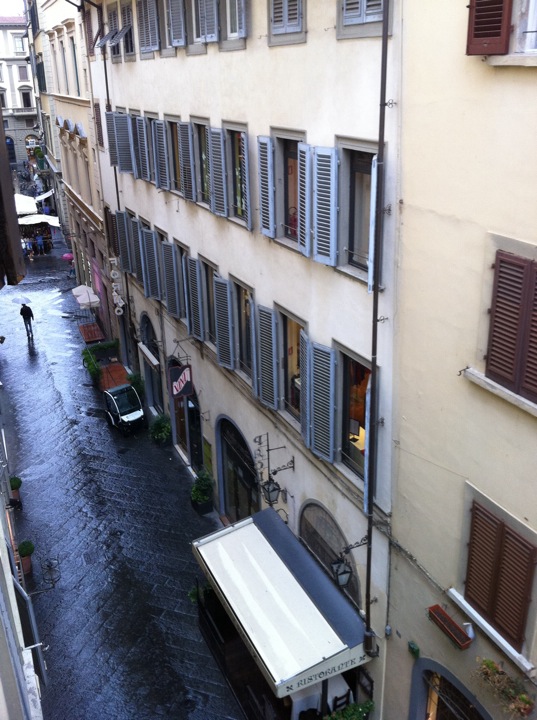
Lisa's street in Florence, Italy - Firenze, Italia
Lisa’s street in Florence, Italy – Firenze, Italia

.

My dream journey has officially begun!Ā  After a 13-hour flight from LA to Rome, a 5-hour layover to take a 20-minute flight to Florence and a wild taxi ride from the Vespucci airport to my apartment by a crotch-rearranging driver, I am safely nestled in my abode :). I am bothĀ  cross-eyed with exhaustion and wide-eyed with excitement.

.

My 3rd-story (4th in the US)Ā  apartment is superbly located between the Duomo and Piazza Della Signoria, smack dab in the center of Firenze. It is within walking distance of every amazing sight this gorgeous city has to offer.Ā  My first short stroll was to none other than the wine shop!Ā  The owner was so friendly and we enjoyed a cheery conversation. I naturally left with 2 bottles of vino and some delectable snacks to enjoy while imbibing my first official ā€œbicchiere di vinoā€ in Italy!

I can already tell that I am most definitely an Italian by nature as well as by heritage.Ā  I feel alive here with all of the bustling city noises and rather loud voices resonating up through my open windows.Ā  Life really is more beautiful in Italia!

.

Good night and good-bye from Firenze!

.

Ecco some Italian vocabulary drawn from Lisa’s blog post:

  1. a 13-hour flight: un volo di tredici ore
  2. a 5-hour layover: uno scalo di cinque ore
  3. exhausted, dead tired: esausto(a), stanco(a) morto(a)
  4. excitement,Ā  excited: emozione, emozionato(a)
  5. to take a stroll: fare una passeggiata, fare due passi
  6. a wine shop: un’enoteca
  7. a snack: una merenda, uno spuntino, un boccone
  8. a glass of wine: un bicchiere di vino

.

Do you dream of an adventure like Lisa’s? We welcome your comments below!

.

Posted in Expressions, Guest Blog, Italian Vocabulary, learn italian, Vocaboli Italiai | Tagged , , , , , , , , , , , , , | 17 Comments

Si torna a scuola! / Back to School!

.

Ā 

E’ arrivato quel momento dell’anno (It’s that time of year) — si torna a scuola! (back to school!)

Ā 

Here, to build up your repertoire, una manciata di vocaboli italiani riguardanti la scuola (a handful of Italian words related to school): Prendete nota (take note)!

Ā .

Here’s how to say them:

.

  1. Si torna a scuola: Back to school
  2. l’educazione: education
  3. l’anno scolastico: academic year
  4. la scuola materna: nursery school, preschool, kindergarten
  5. la scuola elementare: primary, grade, or elementary school
  6. la scuola media: middle school
  7. la scuola superiore: high school
  8. l’universita’: university, college
  9. la scuola di lingue: language school
  10. la tessera dell’autobus: bus pass
  11. il banco, i banchi: school desk, school desks
  12. i compiti: homework
  13. gli esami: tests
  14. i voti: grades
  15. una mela per la maestra: an apple for the teacher

.

Any words you’d like to add? Jump right in — I love to hear your comments!Ā 

~Jodina

Ā 

*FALL ITALIAN CLASSES NOW ENROLLING!!*

.

Posted in Uncategorized | 8 Comments

Everybody Speaks Italian — The Cool Phenomenon of Language Crossover

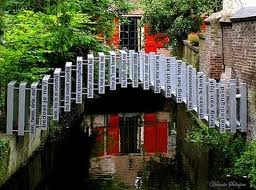
ā€œWord Bridgeā€ (photo by Dutch artist Art Rock)

.

Ā  Ā  ā€œHow’s that?,ā€ you say. Well, you might be a student of la bella lingua (Italian’s nickname, meaning, literally, the beautiful language) and speak it with some degree of proficiency, or, you may never have studied the language a day in your life…

Ā 

Doesn’t matter, you still know un sacco di parole italiane (a sack, or a bunch of, Italian words)… Many words that have found their way into the English language—most of them even appearing in the English dictionary—are actually Italian. Here are a few examples:

Ā 

Amore

Bambino

Bravo

Capisce

Cappuccino

Ciao

Espresso

Gelato

Mangia!

Mozzarella

Pasta

Pizza

Spaghetti

Tiramisu

Tortellini

Vino

Ā 

True, many of these are related to food, but they are words, and you use them with ease and know what they mean – in other words, they’re part of your vernacular – you speak Italian!

Ā .

.

[Sidebar: Alternatively, many English terms have been co-opted into daily Italian speech. Among them: il computer, la mountain bike, l’hamburger, l’email, lo scanner, lo shopping, lo scotch (to say Scotch tape), lo yoga, gli short (shorts), il weekend.}

Ā .

Then there are the Italian words are so similar to English that they might as well be English, in the sense that you can guess them just by sight (perhaps even by sound). Here’s a sampling of those:

Ā 

Aeroporto (airport)

Agosto (August)

Americano (American)

Aprile (April)

Attenzione (attention)

Autunno (autumn)

Blu (blue)

CaffĆØ (coffee)

Cinema (cinema)

Communicazione (communication)

ConcertoĀ  (concert)

Corretto (correct)

EccellenteĀ  (excellent)

Esatto (exact)

Fotografia (photography)

Frutta (fruit)

Idea (idea)

Importante (important)

Incredibile (incredible)

Informazione (information)

Insalata (salad)

Lettera (letter)

Novembre (November)

Ottobre (October)

Pigiame (pijamas)

Possibile (possible)

Ristorante (restaurant)

Scusi (Excuse me)

Settembre (September)

TassƬ (taxi)

Tecnologia (technology)

Telefono (telephone)

Televisione (television)

Temperatura (temperature)

Treno (train)

Ā 

All these linguistic similarities and borrowings from one language to another are evidence of both common Latin roots and the phenomenon of what I call language or linguistic crossover. Language crossover happens when people from different cultures and countries travel and mix, as is currently happening at a more accelerated pace than ever before, as our world becomes more interconnected with each passing day thanks to the expansion of the internet, social media, and other sharing methods made available by new tecnologia.

.

Ā 

Ā 

Ā 

Finally, if you’re also a Spanish speaker, you know even more Italian… So many Spanish and Italian words are nearly identical, with only a small change in spelling and pronunciation. Here’s a sampling:

Ā 

1, 2, 3, 4, 5, 6, 7, 8, 9 (uno, due, tre, quattro, cinque, sei, sette, otto, nove)

Acqua (agua)

Bagno (baƱo)

Banca (banco)

Bandiera (bandera)

Bianco (blanco)

Casa (casa)

Con (con)

Cucina (cocina)

Dentista (dentista)

Dove (donde)

Fiore (flor)

Gatto (gato)

Lampada (lampara)

Libro (libro)

Madre (madre)

Medico (medico)

Padre (padre)

Pane (pan)

Parola (palabra)

Quadro (cuadro)

Quando (cuando)

Quanto (cuanto)

Signora (seƱora)

Signore (seƱor)

Signorina (seƱorita)

Verde (verde)

Ā 

So, there you have it. If you relish the idea of becoming bilingual (or trilingual), you’re well on your way—you’ve already got an eccellente head start on learning the world’s most beautiful language.Ā  Alla grande! (Great, nice!)

.

Che ne pensate? What do you think? How do Italian words and terms show up in your life? Leave a comment below!

Ā 

Article previously published by Jodina as ā€œYou Already Speak Italian—Whether You know It or Notā€ in Viva l’Italia eZine, Summer 2011, at www.ItalyLocal.org.


Posted in Italian Vocabulary, learn italian, Uncategorized | 1 Comment

Favorite Artichoke Recipe: “Carciofi al cartoccio”

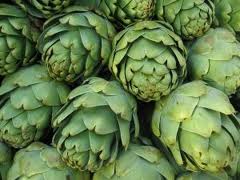
artichokes

I recently held my first-ever officialĀ Italian cooking class.

While it’s true that I’ve been informally teaching friends and family Italian recipes, tips, and cooking techniques for years… this was my first organized class… and it was a huge success — lots of fun and laughter, and most importantly: good food!!

One of the stars of the class was the artichoke — featured in the recipe ā€œCarciofi al cartoccioā€, or Steam-RoastedĀ  Arthchokes. Just like in Italy, artichokes in CaliforniaĀ  are plentiful this time of year.

Being that it’s my birthday week, and as a tip-of-the-hat to Italian traditions whereby on your birthday YOU treat others to something (dinner, drinks, etc) (opposite custom as in the States), I’m going to share my favorite artichoke recipe with you.

This tasty recipe will have you leccando i baffi (licking your plate, or literally ā€œlicking your whiskersā€) and your friends asking for the recipe!

Info on upcoming Italian cooking classes

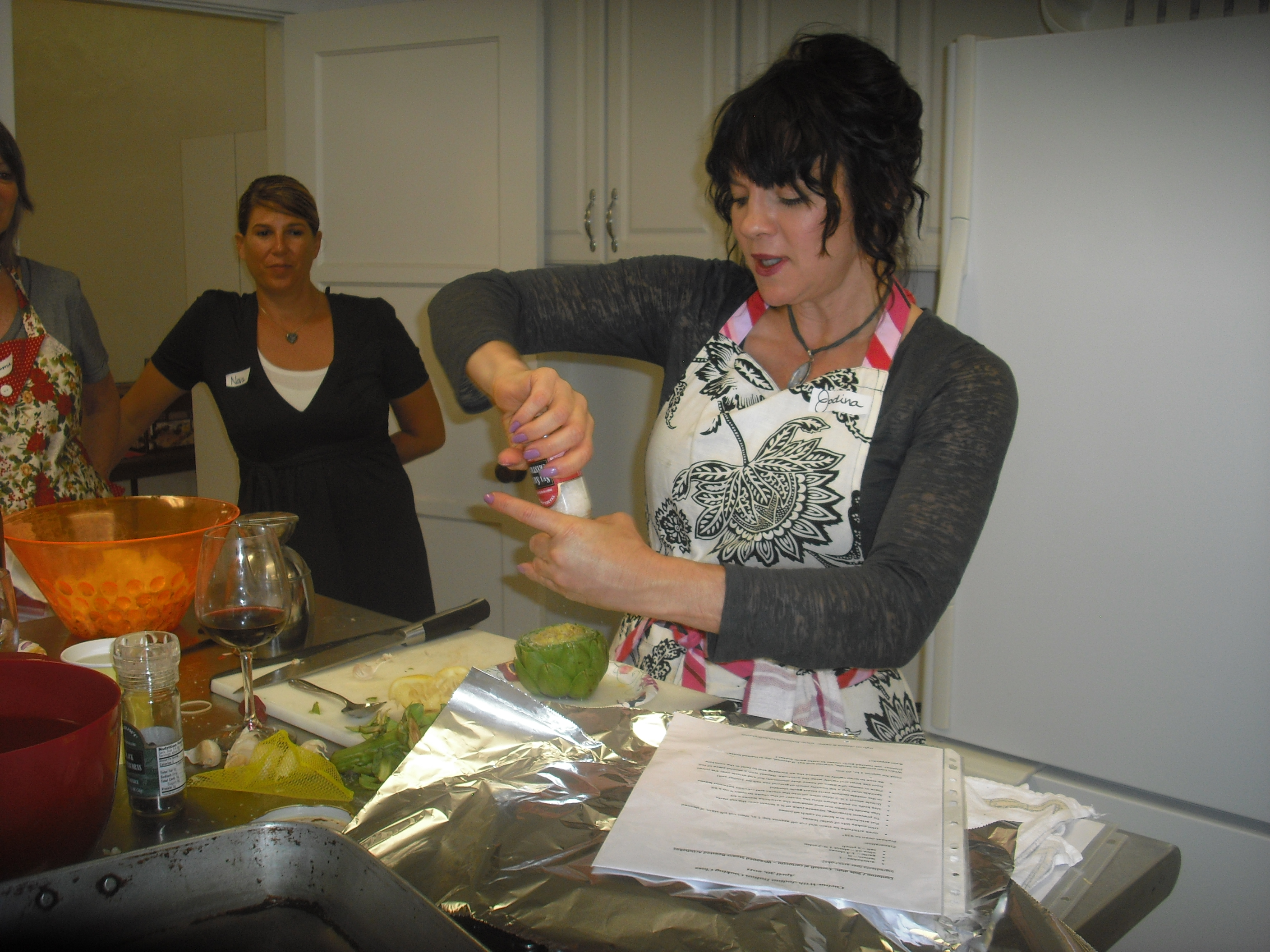
Jodina preparing steam-roasted artichokes in italian cooking classJodina demonstrating the recipe in Italian cooking class

It’s easy; it’s foolproof, and here it is:

Steam-Roasted Artichokes / ā€œCarciofi al cartoccioā€

Note #1:Ā  In Italian cooking, the term al cartoccio refers to oven-cooking food tightly sealed, usually in aluminum foil, or sometimes oven paper. The unique effect of this method is that while the food is roasting, it is also steaming because all the moisture and juices are sealed in — a technique I have dubbed ā€œsteam-roastingā€.

Note #2: Within an Italian menu, this recipe would find its place as a contorno, or side dish, served alongside a secondo piatto (second course) of meat, fish, or poultry.

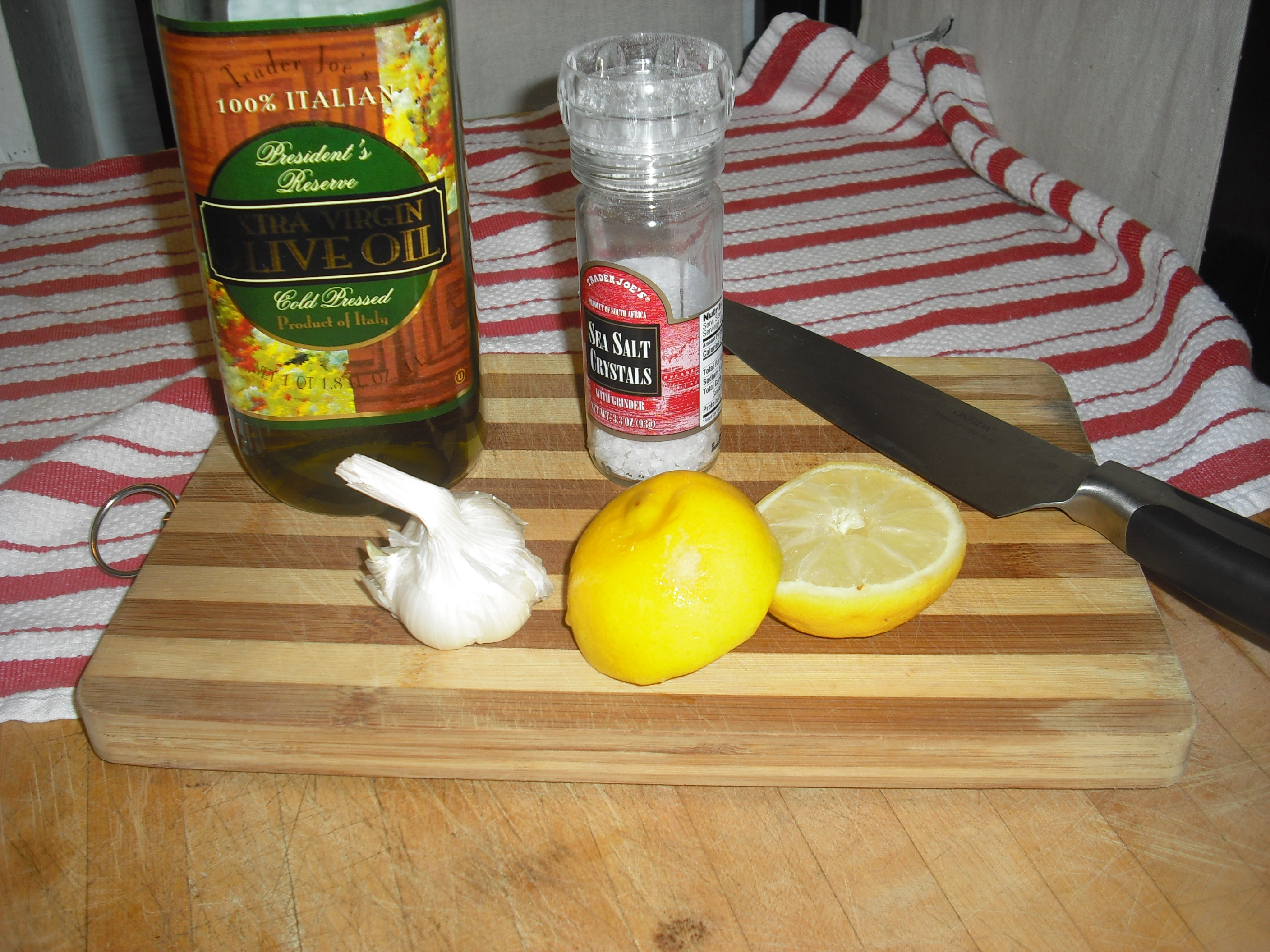
Ingredients (per artichoke):

  • Carciofi or artichokes – 1
  • Limone or lemon – ½
  • Aglio or garlic – 1-3 cloves
  • Olio d’oliva or olive oil – about 1 ½-2 tblsp
  • Sale or salt – a pinch

ingredients for steam-roasted artichokes

Preparation:

Preheat oven to 425°

  1. Grab artichoke by stem and cut off approx top 1 in, then cut off stem. If desired trim pokey bits of outer leaves.
  2. Put artichoke in a bowl to catch all juices
  3. To prevent browning, squeeze juice of ½ a lemon over the cut parts
  4. Use hands to open out and separate the artichoke leaves a bit
  5. Use knife to poke down thru the center of the choke to open it up a bit
  6. Drizzle about 1 ½-2 tblsp olive oil into the cracks and crevices between leaves
  7. In the middle (purple part) insert garlic clove(s)
  8. Sprinkle over top a big healthy pinch of ground sea salt (or kosher salt)
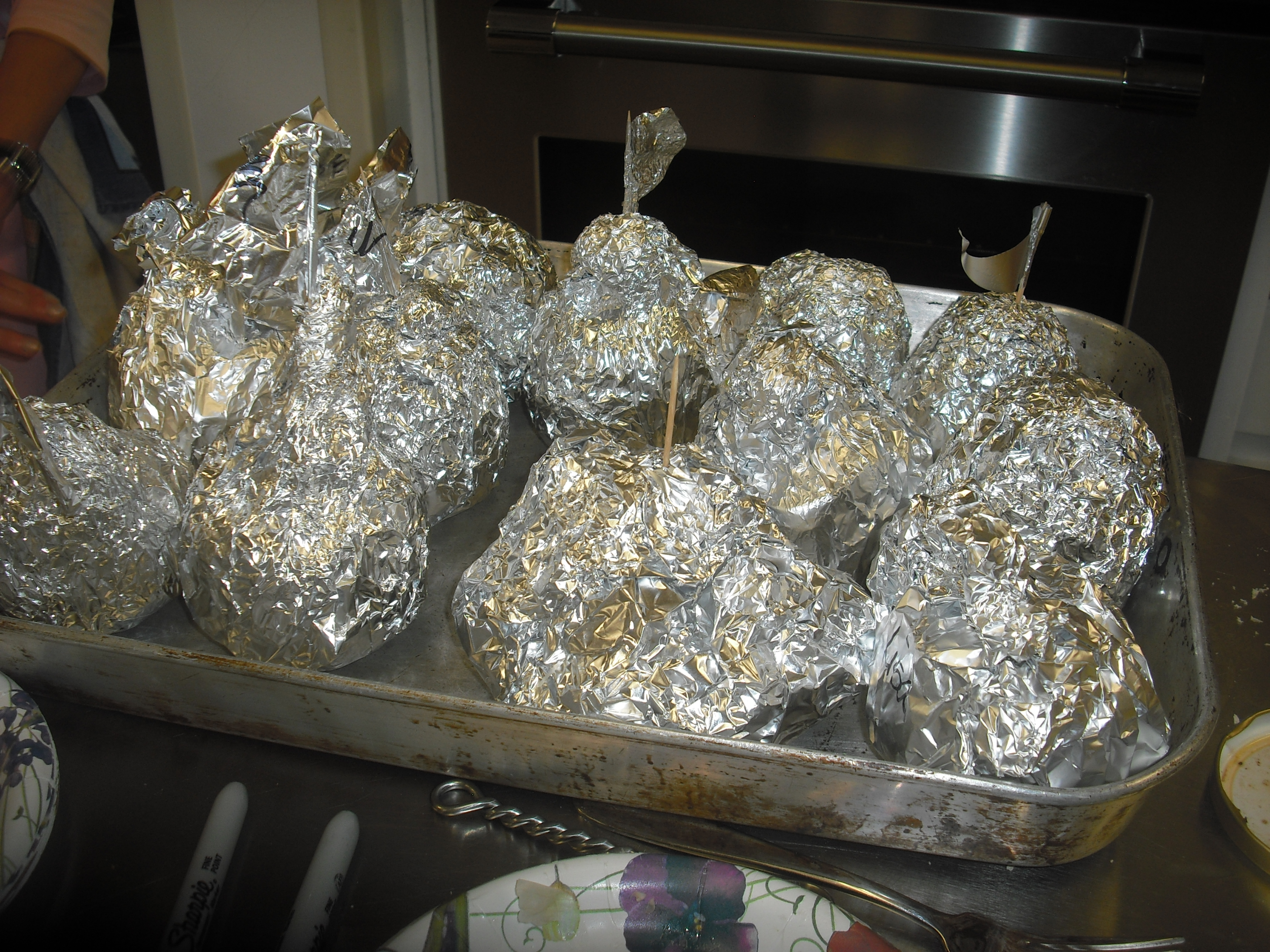
  9. Place in center of a piece of heavy duty aluminum foil and drizzle over the juices from the bowl and tightly wrap the artichoke. Repeat with a second piece of foil.
  10. Be sure to wrap tightly to prevent the air escaping and to hold in the moisture.

Cook for approx 1 hr, 20 min

foil-wrapped artichokes ready for the oven

Foil-wrapped artichokes just out of the oven

When cool enough to handle, unwrap and eat. If desired, dip in melted butter.

(Optional: use roasted garlic cloves to make garlic butter.)

I’ll bet you’re on your way to the store right now for some fresh artichokes — Let me know how they turn out!

Buon appetito!

Leave comments on artichokes, Italian cooking, and anything else below!

Posted in Uncategorized | 14 Comments

.

Una poesia per Pasqua >> An Easter Poem

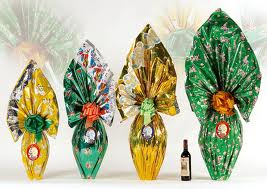
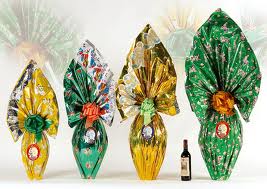
Uova di Pasqua: Italian Easter eggs.

Rather than receiving baskets filled with candy,

Italian children receive large, elaborately wrapped,

hollow chocolate eggs with a surprise gift(s) inside.

.

I found the following anonymous poesia (poem) on filastrocche.it, a website in Italian for Italian children and their parents — featuring jokes, activities, etc. related to holidays and other special days — a great study tool.

.

I used the poem in my Italian Conversation & Study group, and they enjoyed it so much that I decided to share it on my blog. The translation is mine. Enjoy.

.

Buona Pasqua!

Happy Easter!

.

Nei miei sogni ho immaginato

In my dreams I imagined

.

un grande uovo colorato.

a big colored egg.

.

Per chi era? Per la gente

Who was it for? For the people

.

Ā 

dall’Oriente all’Occidene:

from the Orient to the Occident (West)

.

Pieno, pieno di sorprese

Full, full of surprises

.

destinate ad ogni paese.

meant for every country.

.

C’era dentro la saggezza

There was inside wisdom

.

e poi tanta tenerezza,

and then lots of tenderness,

.

l’altruismo, la bontĆ ,

altruism, goodness,

.

gioia in grande quantitĆ .

joy in great quantity.

.

Tanta pace, tanto amore

Much peace, much love

.

da riempire ogni cuore.

to fill every heart.

.

.

Ā 

I wish everyone — however you celebrate this time of year —

Love, Health, and Abundance.Ā  Auguri!

.

Did you enjoy this poesia? How do you celebrate this time of year? I’d love to hear your comments below!


Posted in Italian Holidays, Italian Vocabulary, Vocaboli Italiai | Tagged , , , , , , , | Leave a comment

.

Charlie Sheen & Italian Verbs…

Winning >>Vincente!

Charlie Sheen prende in giro un programma di cucina (CS spoofs a cooking show)

.

L’altra sera in classe, uno studente ha cominciato di parlare di Charlie Sheen. (The other evening in class, a student started talking about Charlie Sheen.)

.

Oddio ho pensato, finoraĀ  ero completamente riusciuta ad evitare i sordidi dettagli della star del momento nel mondo dei pettegolezzi. (Good grief I thought, until then I’d managed to completely avoid the sordid details ofĀ  the star of the moment in the world of gossip.)

.

Va bene ho detto alla classe, ma se volete parlare di Charlie Sheen (Carletto Lucentezza in Italian!) perlomeno facciamolo in modo che vi aiuti ad imparare l’italiano. (Alright I said to the class, but if you want to talk about Charlie Sheen, at least lets do it in a way that helps you learn Italian.)

.

Ditemi qualche verbo che vi viene in mente quando pensate a lui. (Tell me some verbs that come to mind when you think of him.)

.

E cosƬ il più famoso mascalzone del giorno ha finalmente potuto servire ad uno scopo utile…(And in this way, the most famous ā€˜bad boy’ of the day finally got to serve a useful purpose…)Ā 

.

… La bizzarra storia di Carletto Lucentezza ha ispirato una bella lezione di coniugazione di verbi italiani nel presente indicativo. (… The bizzarre story of Charlie Sheen inspired a great lesson in conjugating Italian verbs in the present indicative tense.)

.

* V I N C E N T E ! *(WINNING!)

.

.

Eccone i verbi ispirati da Carletto Lucentezza

(Here are those verbs inspired by Charlie Sheen):

.

Here’s how to say them:

.

First conjugation/-are verbs:

  1. recitare = to act (in the sense of TV or theater), e.g., ā€œCharlie Sheen ha recitato in vari film e programmi televisivi.ā€ (Charlie Sheen has acted in various films and TV shows.)
  2. drogarsi = to use drugs, to drug oneself, e.g., ā€œLui parla apertamente di drogarsi.ā€ (He speaks openly about using drugs.)
  3. rovinare = to ruin, e.g., ā€œLe sue azioni stanno rovinando la sua reputazione.ā€ (His actions are ruining his reputation.)
  4. tifare = to cheer on or root for. One student said, ā€œFacevo il tifo per Charlie, ma ora ĆØ troppo sopra le righe.ā€ (I used to root for him Charlie, but now he’s gone too far.)
  5. approfittare = to take advantage or make the most of, e.g., Lui approfitta della situazione.ā€ (He takes/is taking advantage of the situation.)
  6. ignorare = to ignore, e.g., ƈ quasi impossibile ignorare la bizzarra storia di Charlie Sheen.ā€ (It’s almost impossible to ignore the bizarre story of Charlie Sheen.)

Second conjugation/-ere verbs

  1. deludere = to delude or let down, e.g., ā€œCharlie Sheen ha deluso i suoi fans.ā€ (Charlie has let his fans down.)
  2. offendere = to offend, e.g., ā€œLe sue azione offendono molte persone.ā€ (His actions offend many people.)
  3. ricevere = to receive, e.g., Lui riceve 2 millioni di dollari per ogni episodio di Due uomini e mezzo.ā€ (He receives $2 million for each episode of Two and a Half Men.)

Third conjugation/-ire verbs:

  1. impazzire (impazzirsi) = to go mad, crazy, e.g., ā€œCharlie Sheen si ĆØ impazzito.ā€ (Charlie Sheen has gone crazy.)
  2. dire = to say, e.g., ā€œDice delle cose che non hanno senso.ā€ (He says things that don’t make sense.)
  3. capire = to understand, e.g.,Ā  ā€œIl pubblico non capisce il suo strano comportamento.ā€ (The public doesn’t understand his strange behavior.)

.

Due uomini e mezzo / Two and a Half Men, in Italian

.

What do you think of Charlie Sheen?

What verbs or vocabulary does he bring to mind for you?

.

Leave your comments below the sign-up/updates form!

.

.

Posted in Expressions, Italian Vocabulary, Uncategorized, Vocaboli Italiai | Tagged , , , , , , , | 5 Comments

Anniversario UnitĆ  d’Italia >>

Italy turns 150!

unification of italy 150th anniversary, 1861-2011

.

Italy turned 150 today, which might surprise you. With so many ancient ruins and all the Renaissance and other historical works of art… you might wonder how the country could be so young.

.

And your surprise would be completely comprehensible. The land we now know as Italy was once home to the Roman empire and much later witness to the end of the dark ages and birthplace of the Renaissance or golden age of art and culture.


.

italian hero general giuseppe garibaldi. unification of italy 150th anniversary, 1861-2011

Italian hero General Giuseppe Garibaldi

.

But as an actual country, Italia has only been around for 150 years. It was in 1861 that General Garibaldi, under orders of the then Re (King) Vittorio Emanuale, king of strongest kingdom in Italy at the time (located in Piemonte and pertaining to theĀ  Savoy) led the Italian unification campaign il Risorgimento. Il Risorgimento (ā€œThe Resurgenceā€, a political and social movement to agglomerate different states of the Italian peninsula into the single state of Italy)Ā successfully unified and liberated the peninsula from foreign domination (at that time from the Bourbons and the Austro-Hungarian Empire, the last in a long line of foreign dominators). Thus Italia was born.

.

garibaldi and his army of red shirts. unification of italy 150th anniversary, 1861-2011

Garibaldi & his army of red shirts, or ā€˜camicie rosse’

.

Ā 

At that time, there were vast regional differences in culture and language throughout the Italian peninsula, a land mass which is also very geographically diverse. Though Italian did exist as a language (that had started to develop and be crafted following Dante’s works), relatively few of the new Italians spoke their now national language with ease.

.

In large part, many regional differences (as well as antagonisms and rivalries) still exist today. And most Italians have a strong regional affinity and identification. It is not uncommon to find people who identify themselves first as Roman, Venetian, Tuscan, Pugliese, Siciliano, etc. and then as Italian. And many still speak the dialect of their region, province, or town.

.

italian flag amd map of italy, the boot. unification of italy 150th anniversary, 1861-2011

.

Somewhere in the 1950s, as television became more widespread in Italy, so did a growing general knowledge and familiarity with the standard language. Today it would be very uncommon if not impossible to find someone who has gone through the public education system in Italy that does not speak Italian.

.

And though there may still be regional antogonisms, the anniversario dell’UnitĆ  d’Italia (anniversary of theĀ  unity of Italy) is a time to remember past struggles, celebrate the resulting freedoms, and to look forward to a future that both honors regional richness and a national unity and identity consisting of a patchwork of this rich regional tapestry, united perhaps by the love of art, culture, and cuisine that are so much an integral part of thisĀ beautifulĀ and diverse country.

.

Any comments and observations are welcome — Leave them in the Reply section under the Updates/Sign-up form below.

.


Auguri Italia!Ā 

.

unification of italy 150th anniversary, 1861-2011

.

Ā 

Ā 

Posted in Italian Customs, Italian Holidays, Italian Vocabulary, Uncategorized, Vocaboli Italiai | Tagged , , , , , , , , , , , | 5 Comments