“Alla fiera dell’est”

Italian Music –Musica italiana–

the eastern fair, la fiera dell'est

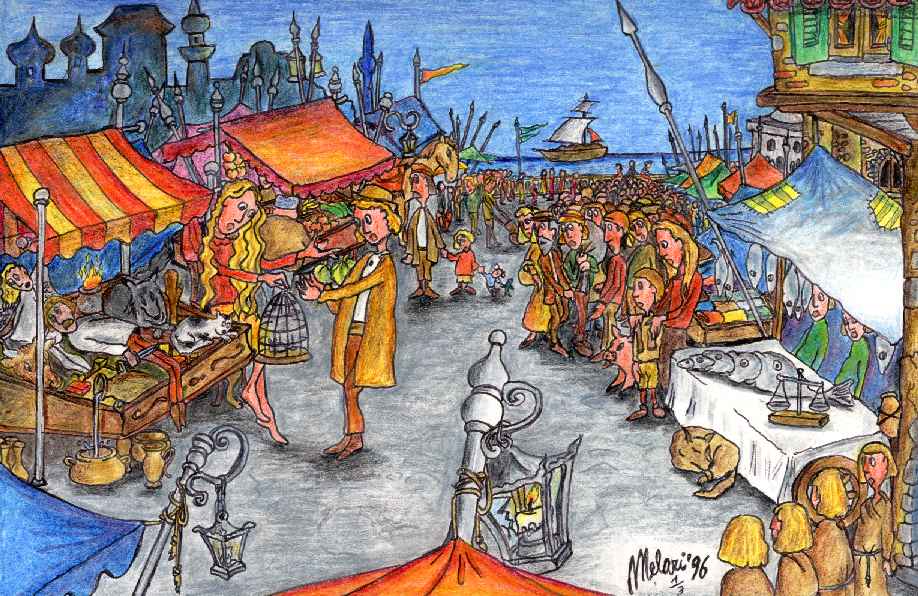
The Italian song “Alla fiera dell’est” (At the Eastern Fair) is a bit reminiscent of the kids’ song “The Old Lady Who Swallowed a Fly”. Both songs feature a repetitive tale that recounts a growing string of events that all start with one act (in the Italian, song buying a mouse at the Fair of the East, in the English song, swallowing a fly)..
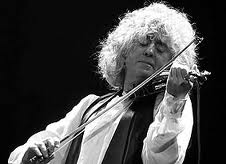
Angelo Branduardi playing the ViolinAngelo Branduardi.

Much-loved Italian folk singer Angelo Branduardi recorded “Alla fiera dell’est” in the 1970s, and it remains a popular folk song to this day among Italians of every age. The folk song features themes and patterns from ancient music, especially Renaissance and early Baroque, and showcases Branduardi himself on violin. It is based on an old Jewish song in Aramaic (“Chad Gadya”–One Kid Goat, sung at the end of the Passover Seder night service).
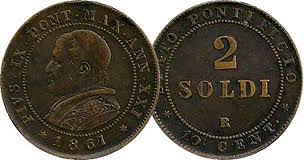
two coins, due soldiBecause of its repetitive fable-like lyrics, “Alla fiera dell’est” is an excellent song for Italian language learners. Employing some very common Italian nouns – soldi, topolino, gatto, cane, bastone, acqua, fuoco, toro, etc (see below for lyrics in English) – and interspersed with common verbs conjugated  in the passato remoto (preterite or ‘remote past’ tense), “Alla fiera dell’Est” makes for a melodic Italian language lesson.

Italian Song “Alla fiera dell’est

ITALIAN LYRICS

Alla fiera dell’est
per due soldi
un topolino mio padre comprò.
E venne il gatto
che si mangiò il topo
che al mercato mio padre comprò.
Alla Fiera dell'Est
per due soldi
un topolino mio padre comprò.
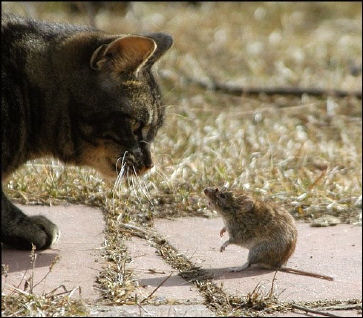
E venne il cane
che morse il gatto
che si mangiò il topo
che al mercato mio padre comprò.
Alla Fiera dell'Est
per due soldi
un topolino mio padre comprò.
E venne il bastone
che picchiò il cane
che morse il gatto
che si mangiò il topo
che al mercato mio padre comprò.
Alla Fiera dell'Est
per due soldi
un topolino mio padre comprò.
E venne il fuoco
che bruciò il bastone
che picchiò il cane
che morse il gatto
che si mangiò il topo
che al mercato mio padre comprò.
Alla Fiera dell'Est
per due soldi
un topolino mio padre comprò.
E venne l'acqua
che spense il fuoco
che bruciò il bastone
che picchiò il cane
che morse il gatto
che si mangiò il topo
che al mercato mio padre comprò.
Alla Fiera dell'Est
per due soldi
un topolino mio padre comprò.
E venne il toro
che bevve l'acqua
che spense il fuoco
che bruciò il bastone
che picchiò il cane
che morse il gatto
che si mangiò il topo
che al mercato mio padre comprò.
Alla Fiera dell'Est
per due soldi
un topolino mio padre comprò.
E venne il macellaio
che uccise il toro
che bevve l'acqua
che spense il fuoco
che bruciò il bastone
che picchiò il cane
che morse il gatto
che si mangiò il topo
che al mercato mio padre comprò.
Alla Fiera dell'Est
per due soldi
un topolino mio padre comprò.
E l'Angelo della Morte
sul macellaio
che uccise il toro
che bevve l'acqua
che spense il fuoco
che bruciò il bastone
che picchiò il cane
che morse il gatto
che si mangiò il topo
che al mercato mio padre comprò.
Alla Fiera dell'Est
per due soldi
un topolino mio padre comprò.
E infine il Signore
sull'Angelo della Morte
sul macellaio
che uccise il toro
che bevve l'acqua
che spense il fuoco
che bruciò il bastone
che picchiò il cane
che morse il gatto
che si mangiò il topo
che al mercato mio padre comprò.
Alla Fiera dell'Est
per due soldi
un topolino mio padre comprò.

cat and mouse, gatto e topolinoENGLISH LYRICS

At the Eastern Fair

for two coins
my father bought a mouse.
And the cat came
that ate up the mouse

that my father bought at the market.
At the Eastern Fair
for two coins
my father bought a mouse.
And the dog came

that bit the cat
that ate up the mouse.
that my father bought at the market.
At the Eastern Fair
for two coins
my father bought a mouse.
And the stick* came (*also cane or club)

That hit/beat the dog
that bit the cat
that ate up the mouse
that my father bought at the market.
At the Eastern Fair
for two coins
my father bought a mouse.
And the fire came

that burned the stick
that beat the dog
that bit the cat
that ate up the mouse
that my father bought at the market.
At the Eastern Fair
for two coins
my father bought a mouse.
And the water came

that put out the fire
that burned the stick
that beat the dog
that bit the cat
that ate up the mouse
that my father bought at the market.
At the Eastern Fair
for two coins
my father bought a mouse.
And the bull came
that drank the water
that put out the fire
that burned the stick
that beat the dog
that bit the cat
that ate up the mouse

that my father bought at the market.
At the Eastern Fair
for two coins
my father bought a mouse.
And the butcher came
who killed the bull
that drank the water
that put out the fire
that burned the stick
that beat the dog
that bit the cat
that ate up the mouse
that my father bought at the market.
At the Eastern Fair
for two coins
my father bought a mouse.
And the Angel of Death
on the butcher
who killed the bull
that drank the water
which extinguished the fire
that burned the stick
that beat the dog
that bit the cat
that ate up the mouse

that my father bought at the market.
At the Eastern Fair
for two coins
my father bought a mouse.
And finally the Lord
on the Angel of Death
on the butcher
who killed the bull
that drank the water
that put out the fire
that burned the stick
that beat the dog
that bit the cat
that ate up the mouse

that my father bought at the market.
At the Eastern Fair
for two coins
my father bought a mouse.

. . . . . . . . . . . . . . . . . . . . . . . . . . . . . . . . . . . . . . . . . . . . . . . . . . . .

…Wonder what Maxie the Moxie Cat, official website mascot, has to say?
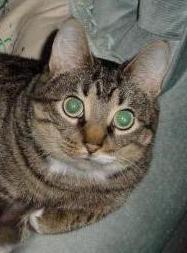
maxie the moxie cat official website mascot

“Ue, bella questa canzone.  Anche a noi felini piace molto la musica… Ad ascoltarla però mi  è venuta una gran fame!”

(Hey, nice song.  Us felines like music, too…  Listening to it though has made me very hungry!”)
Che ne pensate voi? (What do you think?)

Do you know any Italian folk songs?

Posted in Uncategorized | Leave a comment

“Non dire gatto…”

Italian Saying of the Week:

Il detto della settimana


Presenting Maxie the Moxie Cat, official Italiano With Jodina website mascot.

.

(Note: English translation follows.)

Allora, il detto di questa settimana è quanto utile che divertente. Poi è anche il veicolo perfetto per presentare Maxie the Moxie Cat, la mascotte officiale del sito Italiano With Jodina. (So then, the saying this week is as useful as it is fun.  And (Then), it’s also a perfect vehicle for presenting Maxie the Moxie Cat, the official Italiano With Jodina website mascot.

.

The detto is

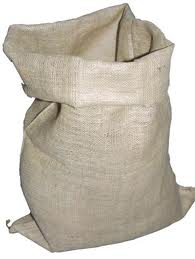
Non dire gatto se non ce l’hai nel sacco,” which translates to “Don’t say cat if you don’t have it in the sack.”

.

.

Now, you might be asking yourself  “che cavolo vuol dire?” (What the heck, or literally, what the ‘cabbage’ does it mean?)

.

It’s a bit of prudent advice, but first let’s check out the pronunciation:

.

LISTEN & PRACTICE:

“Non dire gatto se non ce l’hai nel sacco.”

.

SPIEGAZIONE (EXPLANATION)

Questo detto invita alla prudenza, a non strafare e a non dire di poter fare o di avere una cosa, se ancora non è sicuro.  (This saying invites one to be prudent, to not overdo it and not to say you can do or have something until it’s for sure.)

.

Significa anche se stai per raggiungere un obiettivo, sei quasi al traguardo, pero non ancora al traguardo, non cantar vittoria. (It also means that if you’re about to reach a goal, you’re almost at the finish line, but not yet there, don’t ‘sing victory’.)

.

bear, orso

.

Un altro detto simile è “non vendere la pelle dell’orso se non l’hai ancora preso”.  (Another similar saying is “don’t sell the bear skin if you haven’t caught the bear yet.”)  Probably the closest expression in English is “Don’t count your chickens before they hatch.”

.

don't count your chickens until they hatch

.

Ora una parola da Maxie the Moxie Cat (Now a  word from Maxie):

“Poveri animali! Il gatto nel sacco e la pelle d’orso venduta — uffa!”

“Comunque sia, noi gatti siamo furbi, nel sacco ci andremo se abbiamo voglia noi… altrimenti te lo puoi scordare e in bocca al lupo a te!”

.

(“Poor animals!  The cat in the sack and the bearskin sold — uffa!”

Anyway, we cats are clever, into the sack we’ll go if we want to… otherwise you can forget about it and into the wolf’s mouth/good luck to you!”)

Read here about the saying “in bocca al lupo”.

.

.

Got any favorite animal expressions? Love to hear about it below!

.

Posted in Expressions, Italian Proverbs, Sayings | Tagged , , , , , , , , , , , , | 10 Comments

“PIOVE”

–Italian Music–Musica italiana


(Note: English translation follows.)

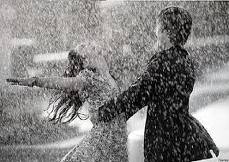
Anche stamattina è piovuto da queste parti.  In onore di tutta la pioggia inaspettata che abbiamo avuto in queste ultime due settimane (per chi non lo sa, San Diego è un semideserto) propongo la canzone “Piove” di Jovanotti.  Jovanotti, per chi non lo sapesse, è uno dei miei cantautori italiani preferiti. “Piove” è una canzone d’amore, che tratta di una persona che aveva deciso di non inamorarsi mai più ma che poi si innamora di nuovo… paragonando in questo caso l’amore alla pioggia in un posto (il cuore) dove non piove da molto tempo.

TRANSLATION

[Again today it rained in this area.  In honor of all the unexpected rain that we’ve had in these last two weeks (for anyone who doesn’t know, San Diego is semi-desert), I propose the song “Piove”, or Rain, by Jovanotti.  Jovanotti (aka Lorenzo Jovanotti Cherubini) for anyone who didn’t know, is one of my favorite Italian singer-songwriters. “Piove” is a love song about a person who’d decided never to fall in love again, but then does fall in love again… comparing in this case love with rain in a place (the heart) where it hasn’t rained for a long time.]

For Rainy Day words (Parole Piovose) see the earlier blog post.


SONG VIDEO

LYRICS IN ITALIANO

Piove! Senti come piove! Madonna come piove! Senti come viene giù!
Hai visto che piove? Senti come viene giù!
Tu che dicevi che non pioveva più!
Che ormai non ti saresti mai più innamorata!
E adesso guardati sei tutta bagnata!
E piove! Madonna come piove
sulla tua testa e l’aria si rinfresca,
e pioverà fin quando la terra non sarà di nuovo piena
e poi si rasserena!

Piove! Senti come piove! Madonna come piove! Senti come viene giù!
Senti le gocce che battono sul tetto!
Senti il rumore girandoti nel letto!
Uhm, rinascerà sta già nascendo ora!
Senti che piove e il grano si matura,
e tu diventi grande e ti fai forte,
e quelle foglie che ti sembravan morte,
uhm, ripopolano i rami un’altra volta
è la primavera che bussa alla tua porta!
E piove! Madonna come piove
prima che il sole ritorni a farci festa!
Uhm senti! Senti come piove!
Senti le gocce battere sulla tua testa!

Piove! Senti come piove! Madonna come piove! Senti come viene giù!

Tu che credevi che oramai le tue piantine
si eran seccate e non sarebbero cresciute più!
Hai aspettato un po’, ma senti come piove
sulla tua testa! Senti come viene giù!
Non eri tu che ormai ti eri rassegnata
e che dicevi che non ti saresti più innamorata?
La terra a volte va innaffiata con il pianto,
ma poi vedrai la pioggia tornerà!

Piove! Senti come piove! Madonna come piove! Senti come viene giù!

LYRICS IN ENLGLISH

It’s raining! Feel* how it rains! Madonna** how it rains! Feel how it’s coming down!
It’s raining! Feel how it rains! Madonna how it rains! Feel how it’s coming down!
Have you seen that it’s raining? Feel how it’s coming down!
You said it didn’t/wouldn’t rain anymore!
That by now you would never fall in love again!
And now look at yourself, you’re all wet!
And it’s rains! Madonna how it’s raining
on your head and the air is refreshed,
and it will rain until the earth is full again
and then it will clear up!

It’s raining! Feel how it rains! Madonna how it rains! Feel how it’s coming down!
Hear the drops that beat on the roof!
Hear the noise as you turn/roll around in bed!
Uhm, it will be reborn, it’s being born now!
Hear as it rains and the grain matures,
and you become big and it makes you strong,
and those leaves that to you seemed dead
uhm, they repopulate the branches another time
And Spring is knocking at your door!
And it’s raining! Madonna how it rains!
Before the sun comes back lets have a party!
Uhm listen! Hear how it rains!
Feel the beat drops on your head!

It’s raining! Feel how it rains! Madonna how it rains! Feel how it’s coming down!
You who believed that by now your little seedlings
had dried up and would never grow again!
You waited a while, but feel how it’s raining
on your head! Feel how it’s coming down!
Wasn’t it you who had by now resigned yourself
And who said you would never fall in love again?
The earth is sometimes watered with tears,
but then you will see the rain come back!

It’s raining! Feel how it rains! Madonna how it rains! Feel how it’s coming down!

(*Sentire can mean hear, feel, listen)

(**Madonna is the Virgin Mary. It’s often used as an exclamation, like saying My God/my gosh/my goodness!)

Ahh, la pioggia, a volte triste, in altri momenti romantica.  A volte nutre, ad altre destrugge. Come ti fa sentire TU la pioggia?

[Ah, the rain, sometimes sad, other times romantic. Sometimes it nourishes, and other times it destroys.  How does the rain make YOU feel?]  Comments welcome below!

Posted in Italian Music | Tagged , , , , , , , , | 2 Comments

Italian Saying:

Il detto della settimana:

“Far venire il latte ai gomiti”


Salve bellissimi!

.

The last two proverbs have been encouraging and inspirational, so this week it’s time for a little humor.

.

This week’s Italian saying in its ‘raw’ or unconjugated form is “fare venire il latte ai gomiti.”

.

Used as a sentence it could be

“Mi fai venire il latte ai gomiti.”

.

Milk? Elbows? What? When I first heard this from my friend Anna, I said ma che cosa vuol dire?! (but what does it mean?!) Like many frasi idiomatiche (idiomatic expressions), what it says and what it means are two different things.

.

.


Anna mi ha spiegato (Anna explained to me) that you’d use it when someone is annoying you or boring you to tears (probably the closest expression in English).

.


Ma perche ‘il latte ai gomiti’, che centra il latte? (But why ‘milk to the elbows’, what’s milk got to do with anything?)

.

Well, according to Anna, you have to imagine how annoyed/bored/frustrated you’d feel waiting for a drop of milk to drip from your mouth all the way down to your elbow… and when someone makes you feel that way, that’s when you say (perhaps prefaced with an ‘uffa’, which is not really a word but a sound of frustration)…

Mi fai venire il latte ai gomiti!

.

Listen & practice your pronunciation:

.

I did a little snooping around and found out more about this crazy detto. Originally it was far venire il latte alle ginocchia, (ginocchia means knees).

.

Both versions are used, and it seems like the closest expression in English is to “bore someone to tears/to death”.

.

Here’s another explanation:


In italiano, si usa quando qualcosa ci annoia da morire, ci infastidisce o ci rende insofferenti. (In Italian, it is used when something bores us to death, bothers us, or makes us irritable.)

Example: “Questo politico mi fa venire il latte alle ginocchia.” (This politician bores me to tears/to death.)

.

.

Have you ever heard this expression?  Do you know of any other sayings with latte or gomito?

.

Posted in Sayings, Uncategorized | Tagged , , , , , , , , , , , , , | 2 Comments

La pioggia:

Italian Vocabulary:

Il vocabolario del venerdì

Rain, Pioggia


You may have noticed a slight twist to this week’s Venerdì blog post… instead of  I Verbi del Venerdì (Verbs of Friday), this week it’s  Il Vocabolario del VenerdìVocabolario can be defined as a glossario (glossary) or elenco di termini (list of terms). Vocabolario comes from vocabolo, meaning word or term.

.

Sono stata ispirata dal temporale che abbiamo avuto ieri a San Diego. (I was inspired by the thunderstorm we had yesterday in San Diego… a very rare thing for us here in September/early autumn.

.

Refreshing as it was, it got me thinking of all the different Italian words associated with rain. And since they’re not all verbs, I got creative and decided to call this week’s installment Il Vocabolario del Venerdì.

.

Ecco i termini ‘piovosi’ (Here are the ‘rainy’ terms)

.

Listen & practice your pronunciation:

.

  1. piovere = verb, to rain
  2. la pioggia = noun, rain
  3. piovigginare = verb, to drizzle, sprinkle
  4. la pioviggine/la pioggerellina = nouns, drizzle, sprinkle
  5. il diluvio/l’acquazzone = nouns, downpour, heavy shower
  6. giorno di pioggia = rainy day
  7. gocce di pioggia = raindrops
  8. una nube densa di pioggia = a raincloud
  9. danza della pioggia = rain dance
  10. l‘arcobaleno = the rainbow
  11. un tuono = a clap of  thunder
  12. un lampo = a flash of lightning
  13. il temporale = thunderstorm
  14. Cade una pioggia sottile. = It’s drizzling. (A light rain is falling.)
  15. Piove a catinelle. = It’s raining cats and dogs. (From the word catino, meaning basin or bowl.)
  16. Non dimenticare il tuo ombrello! = Don’t forget your umbrella!

.

Hai qualche domanda o qualche vocabolo che vorresti aggiungere? (Do you have any questions or any terms you’d like to add?) You can add them in the comment section below!

.

Posted in Uncategorized | Tagged , , , , , , , , , , , | 2 Comments

Italian Proverb:

Il Detto della settimana:

“A goccia a goccia si scava la roccia.”

drop of water


Ecco il detto di questa settimana:  {Here’s this week’s saying.}

.

“A goccia a goccia si scava la roccia.”

.

Listen to pronunciation:

.


Translation: Drop by drop, rock is eroded.

.

Spiegazione (Explanation, a translation follows):
Questo detto italiano è una metafora: L’acqua, che è una sostanza “molle” non può intaccare la pietra che invece è dura e resistente. Ma cadendo goccia dopo goccia, l’acqua riesce, nel tempo, a scavarla!

.

Il senso del proverbio è che con la perseveranza si ottengono risultati all’inizio inimmaginabili.

.

Un altro modo di dire questo è che con la costanza, indipendentemente dagli ostacoli, si cambiano le cose.

.

rock eroded by water

.


Translation:

This Italian saying is a metaphor: Water, which is a “soft” substance, cannot nick rock, which instead is hard and resists. But falling drop after drop, water, in time, succeeds in eroding it!

.

The sense of the proverb is that with perseverance we can achieve results that at the beginning are unimaginable.

.

Another way to say this is that with steadfastness, regardless of obstacles, things can be changed.

.

This saying comes from the Latin proverb “Gutta cavat lapidem”, (“Drop erodes stone”).

.

I challenge you to memorize this week’s phrase. Take me up on this, and treat yourself to a sense of accomplishment!

With perseverance, everything is possible!

.

Do you have any favorite Italian proverbs you’d like to share?

I’d love to hear them — leave a comment below!

.

Posted in Uncategorized | Tagged , , , , , , , , , , , , , | 2 Comments

Italian Verbs:

I verbi del venerdì:

Autunno


L’autunno è arrivato!  Che bello!  (Autumn has arrived! How nice!)

.

Here, a few autumn-inspired verbs for this installment of

I Verbi del Venerdì (The Verbs of Friday).

.


Rastrellare ▪ Accorciare ▪ Riscaldare ▪ Ammirare ▪ Festeggiare ▪ Progettare

.


Listen here for pronunciation:

.

Pay close attention to the verbs with double consonants — to correctly pronounce them, pause for an extra beat on the double consonant.

.

Here’s what they mean. Notice how for some, there’s a root word or a more common Italian word within the verb that you may already know — a good trick for remembering the meanings.

  1. Rastrellare: to rake (noun = il rastrello). Example: Quando cascono le foglie dagli alberi sul prato, alcune persone le rastrellano. (When the leaves fall from the trees onto the lawn, some people rake them.)
  2. Accorciare/Accorciarsi: to shorten/become shorter. (Root word = corto = short) Example: In autunno i giorni si accorciano. (In fall, the days become shorter.)
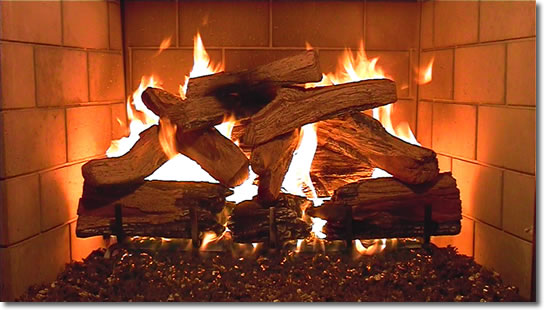
  3. Riscaldare/riscaldarsi: to heat (oneself) or to warm up. (Root word = caldo = hot) Example: Quando il tempo fa più fresco è bello riscaldarsi davanti ad un bel fuoco caldo a legna. (When the weather is cooler, it’s nice to warm up in front of a nice hot wood fire.)
  4. fuoco a legna, wood fire

  5. Ammirare: to admire. Example: In autunno ammiro i bei colori delle foglie mentre cammino per la campagna. (In fall, I admire the beautiful colors of the leaves as I walk through the countryside.)
  6. Festeggiare: to celebrate. (Root word = festa = party) Example: Tanti persone festeggiano i giorni speciali che cadono in autunno: negli Stati Uniti c’è Halloween e il Giorno di Ringraziamento, nei paesi cattolici c’e` il Giorno di Tutti i Santi e il Giorno dei Morti. (Many people celebrate  the special days that take place in autumn: In the United States there’s Halloween and Thanksgiving. In Catholic countries, there’s All Saints Day and Day of the Dead.)
  7. Progettare: to plan, organize. (Root word = progetto = project). Example: È anche commune in autunno di incominciare a progettare per le feste e le ferie invernali a fine anno. (It’s also common in fall to start planning for winter holidays and end-of-year vacations.)

.

E tu? (And you?) Have you got any favorite Italian fall words? Or autumn activities? Please do share! Leave a comment below.

.

Posted in Uncategorized | Tagged , , , , , | 5 Comments

Italian Music:

Musica del mercoledì:

“Santa Lucia”

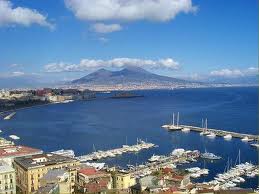
Since this week started out with la Festa di San Gennaro (The Feast & Celebration of Saint Gennaro), patron saint of Napoli aka Naples, what better song for this installment of Musica del Mercoledì (Music Wednesday) than the traditional canzone napoletana (Neapolitan song) “Santa Lucia.”

.

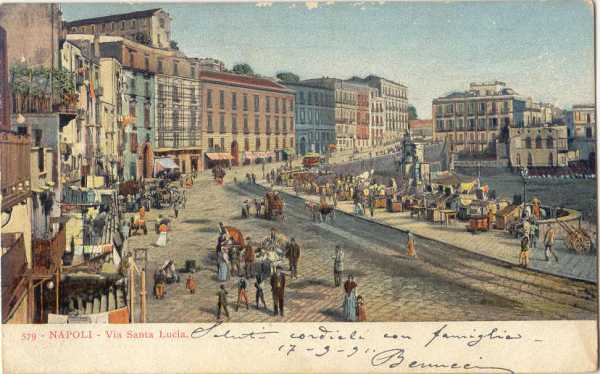
Borgo Santo Lucia, Baia di Napoli, in earlier days

.

Dating back to 1849 and originally titled “Barcarolla,” the song became “Santa Lucia” when it was the first Neapolitan song to be translated into Italian during  il Risorgimento (the political and social movement that gathered different states of the Italian peninsula into the single state of Italy).

.

Santa Lucia Naples Italy

Borgo Santo Lucia, Baia di Napoli, today

.

The lyrics of “Santa Lucia,” which celebrate Borgo Santa Lucia, the picturesque waterfront district in the Bay of Naples, are the invitation of a boatman to take a turn in his boat, to better enjoy the cool of the evening.

.

“Santa Lucia” has been covered by many artists over the years, but the 1916 recording  by Enrico Caruso, the great Neapolitan opera singer, is by many considered the definitive 20th century recording of the song. Other singers who’ve lent their voci (voices) to “Santa Lucia” include, Mario Lanza, Luciano Pavarotti, and even Elvis!

.

Digitally remastered Enrico Caruso recording from 1916. Video also features remastered historical film clips of Caruso.

.

Elvis sings “Santa Lucia.”  Video features scenes of beautiful Borgo Santa Lucia.

.

Luciano Pavarrotti sings Santa Lucia.

.

How about you?

Do you have a favorite canzone napoletana? Which of these three versions of “Santa Lucia” do you like best? Is there another one you like more?

.

I’d love to hear from you — leave a comment below!

.

More info on Santa Lucia here.

Posted in Uncategorized | Tagged , , , , , , , , , , , , , , , , | 2 Comments

Italian Proverb:

Il Detto della domenica:

“Chi dorme non piglia pesci.”

Proverbs, sayings, and idiomatic expressions are a rich way to learn new words and gain insight into the colloquial side of a language. Italian, like other languages, has a wealth of these enlightening expressions — some wise and others witty.

.

Because they are usually brief, they can be almost like a mini lesson in themselves.
I challenge you to memorize this week’s phrase. Take me up on this, and treat yourself to a sense of accomplishment!

.

fisherman sleeping on fish


Ecco il detto di questa domenica:

(Here’s the saying for this Sunday.)

.


“Chi dorme non piglia pesci.”

.

LISTEN TO PRONUNCIATION:

.

SPEIGAZIONE (EXPLANATION):

Literally translated this phrase in English is “He who who sleeps doesn’t catch fish.”

.

Metaphorically of course, this proverb refers to opportunities missed (fish not caught) because one is some other non-productive activity (such as sleeping).

.

The closest English equivalent is the saying “You snooze, you lose.”

The message in “Chi dorme non piglia pesci is also echoed in the English proverb, “The early bird gets the worm.”

.

“Chi dorme non piglia pesci è un buon detto per l’autunno quando tutti stanno ritornando a scuola e hanno nuovi impegni. È  anche un buon ricordo di quanto importante è di puntare la sveglia ed andare a dormire presto!

.

(“He who sleeps doesn’t catch fish” is a good saying for autumn when everyone is returning to school and has new tasks and commitments. It’s also a good reminder of how important it is to set your alarm clock and get to sleep early!)

.

Buoni studi, sogni d’oro, e buona pesca!

(Good studying, sweet dreams, and good fishing!)

.

What’s an Italian or English proverb that you like?

I’d love to hear it — leave a comment below!

.

Posted in Uncategorized | Tagged , , , , , | 1 Comment

Italian Music: Concerto di Jovanotti: Una tribu’ che balla

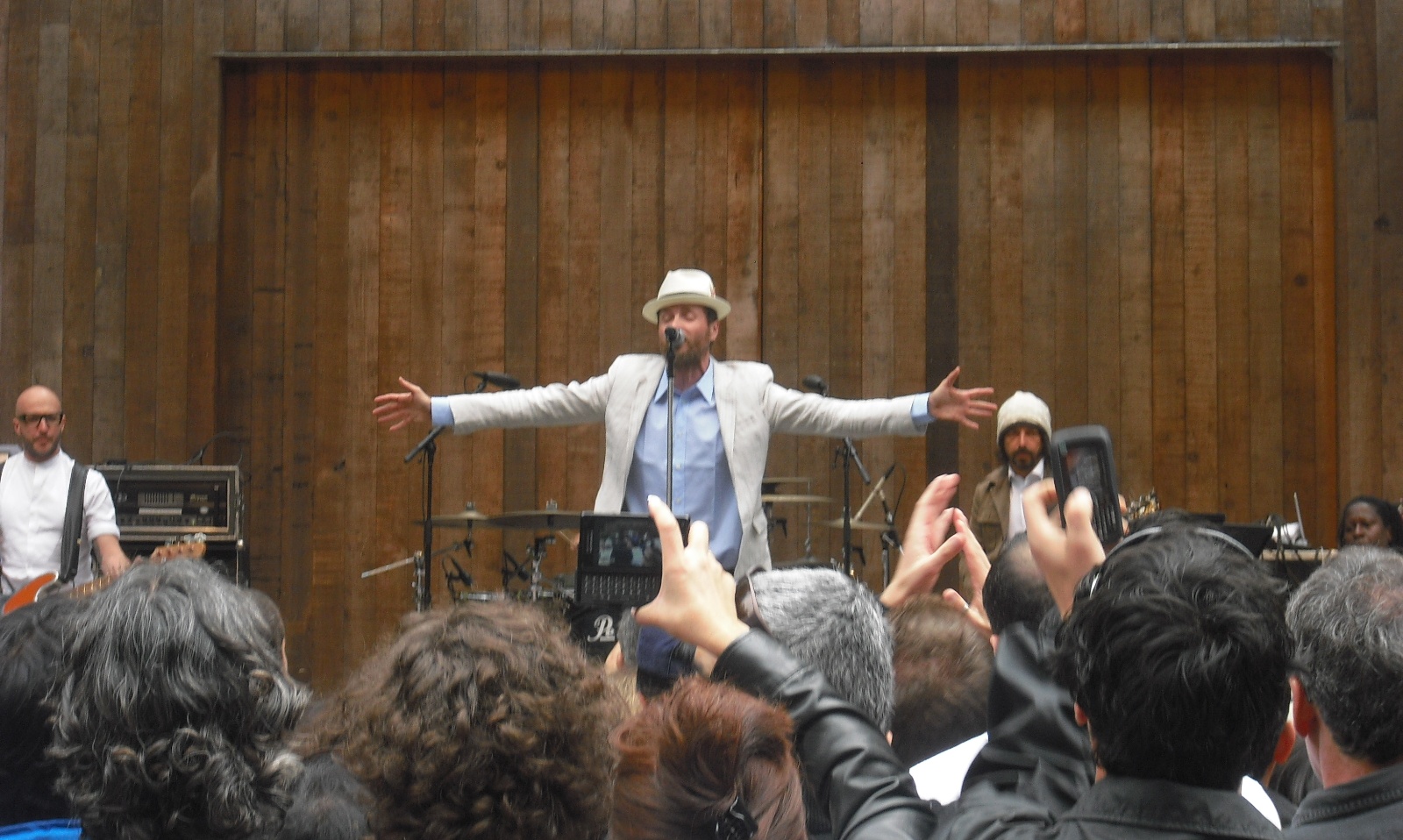
Jovanotti — che è uno dei miei cantautori italiani preferiti  — è stato recentemente a San Francisco  ed ho avuto la buonissima fortuna di essere tra le migliaia di persone che c’erano al concerto. (Jovanotti, one of my favorite Italian singer-songwriters, was recently in San Francisco and I had the very good fortune to be among the thousands of people at the concert.)

Era una bellissima domenica, con i fan di Jovanotti faccendo dei picnic sotto agli alberi e ballando (una tribu’ che balla) a cielo aperto nello spettacolare parco di Stern Grove. (It was a beautiful Sunday, with Jovanotti fans picnicking under the trees and dancing under the open sky.)

~Jovanotti at Stern Grove in San Francisco~.

Di sicuro quello che per me ha reso il concerto ancora più speciale e memorabile era la possibilita’ di conoscere di piu’ Jovanotti sia come artista che persona durante un’intervista tenuta prima del concerto in un ambiente intimo con solamente una centina di persone presente.

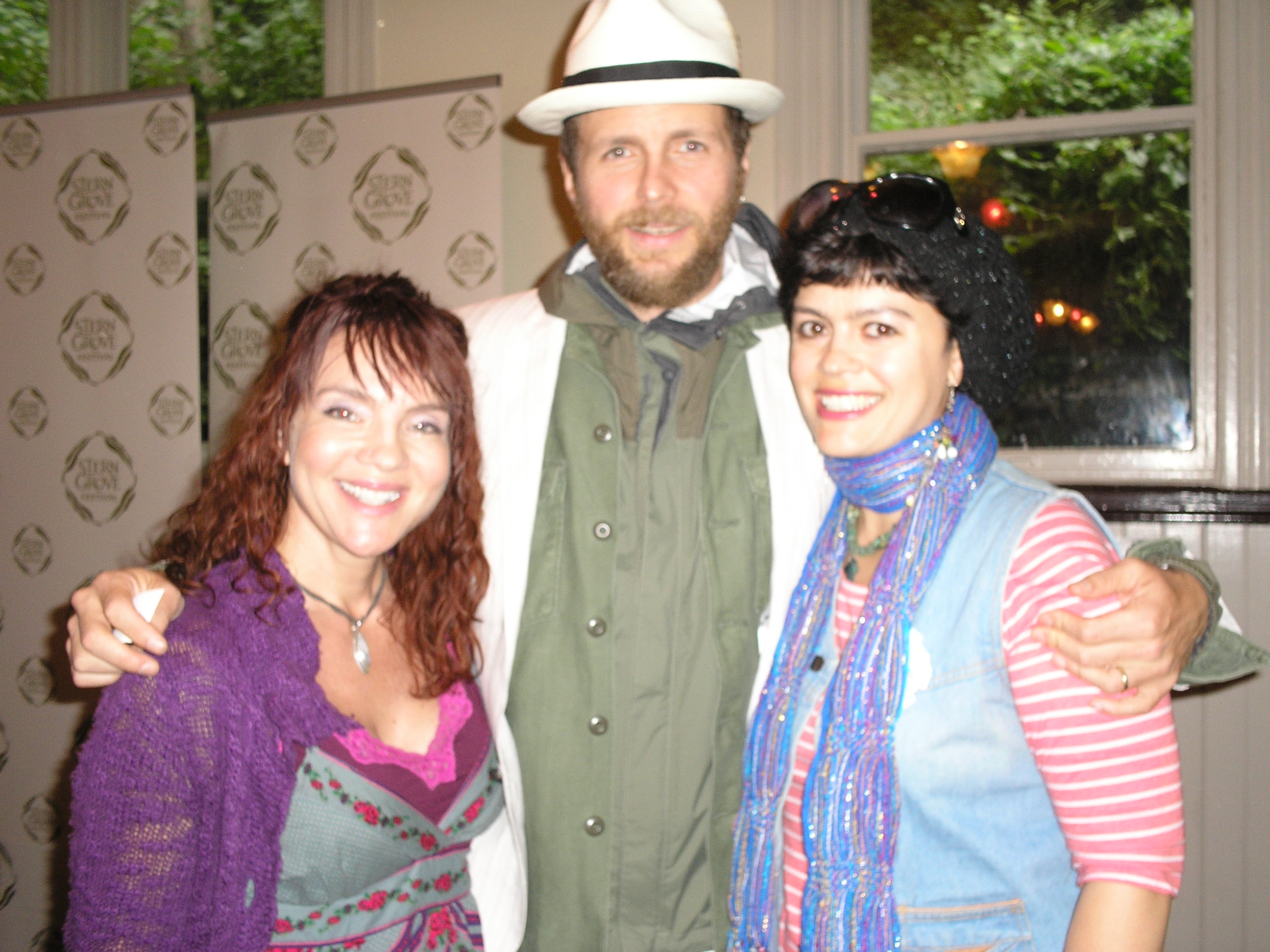
Dopo sono riuscita anche a parlargli di persona ed anche a fare una fotografia insieme a lui. Ho potuto communicare a Jovanotti non solo quanto mi piace la sua musica ma anche il fatto che la utilizzo nelle mie classi d’italiano.

(Surely what for me made the concert even more special and memorable was the possibility to get to know Jovanotti more, as an artist and a person, during an interview held before the concert in an intimate setting with only about a hundred people present.

After this I also managed to talk to him in person and to have my picture taken with him. I was able to communicate to Jovanotti not only how much I like his music but also the fact that I use it in my Italian classes.)

.

~Jodina, Jovanotti, Maria(una mia amica di cuore)~

Jovanotti aka Lorenzo Cherubini categorizes himself as an Italian funk rap artist. But before you get turned off by the term rap, know that outside of the U.S. most rap is NOT preoccupied with a gangster lifestyle and peppered with obscenities. Rather it usually tends toward melodic, upbeat, and danceable. His music can also be categorized as ‘world beat’ – foreign language music with a groove.

Jovanotti, who has been performing now for over two decades, started as a pop rapper and DJ and has matured over the years from more simple dance themes to an artist whose clever and well-turned lyrics have deeper meaning and a universal human appeal. He delivers his lyrics in a half-sung, half-spoken style reminiscent of a downtown beat poet with catchy, melodic beats accessible to an international audience.

.

This is not Jovanotti’s first visit to the US – he spent the summer of 2009 in the village in New York City and had a string of sold-out tours on the East Coast. The summer 2010 concerts mark his first performances on the West Coast. The artist has spent more than a decade collaborating with internationally acclaimed musicians from around the globe, including Bono, Michael Franti, Sergio Mendes, Ben Harper, and The Beastie Boys.

Video/Song: “Una tribù che balla” (“A Tribe That Dances)

Gist of song: We are all one tribe regardless of differences.

Each is unique but all can dance together to the music.

Jovanotti lives in Cortona with his wife and daughter Teresa, to whom the song Per Te is dedicated.  Cortona is the same town where Frances Mayes, author of Under the Tuscan Sun lives – her house is in fact just around the corner, and the two are good neighbors.

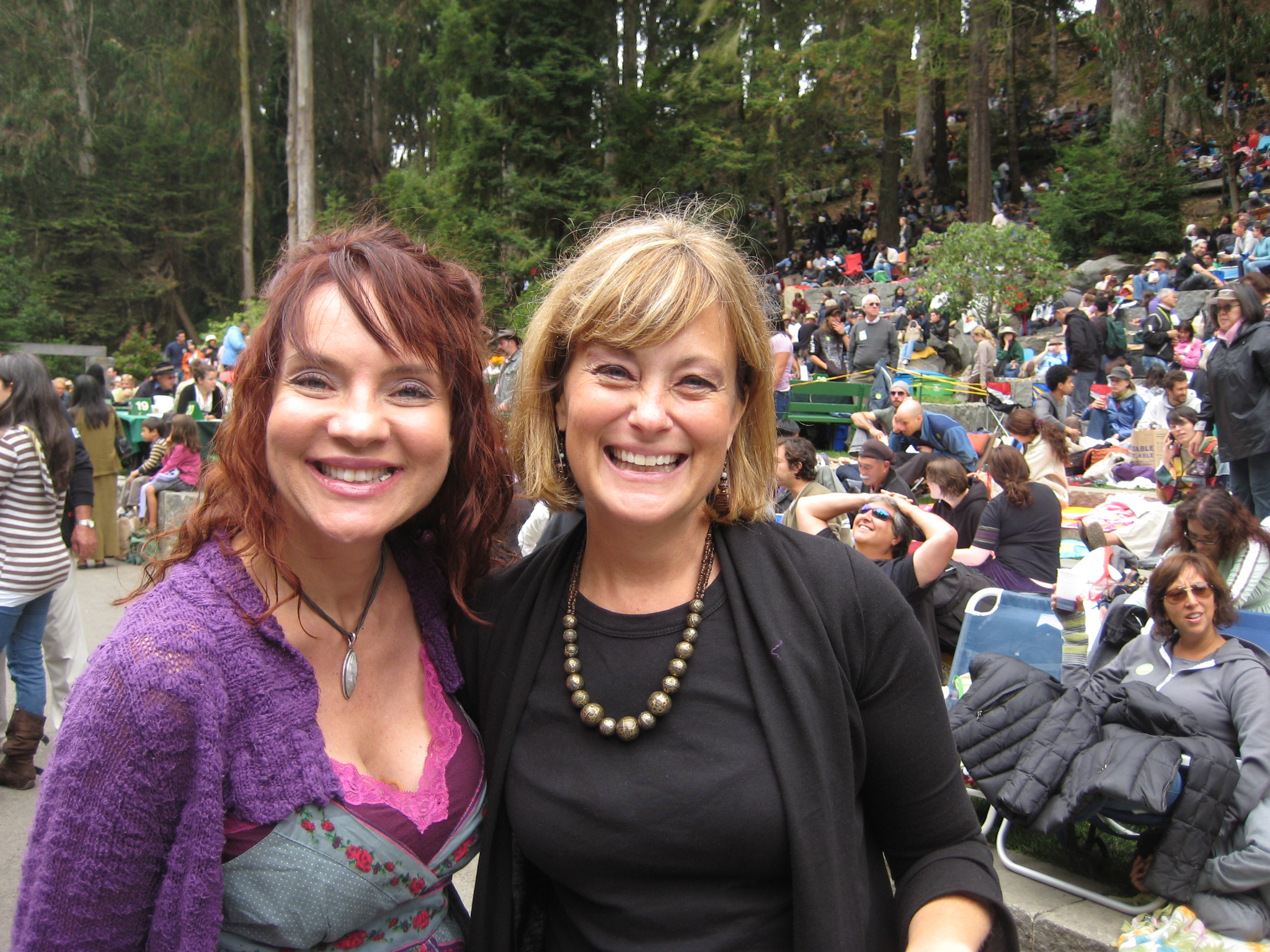
È veramente un mondo piccolo. (It is truly a small world.) And speaking of neighbors and small worlds, another perk to this wonderful day was meeting up with fellow Italian blogger and Facebook friend in person, Melissa Muldoon. Check out her delightful blog at Diario di una Studentessa Matta.

~Jodina & Melissa aka ‘una studentessa matta’~

And then, when I thought it couldn’t get any better, by chance, I ran right into dear old friends Bunny and Wolfgang from my days back in the Bay Area. Turns out they’d been a stone’s throw the entire concert and were only in town briefly visiting from Germany (!), where they now live – what are the odds?  Truly, I think, we are all part of una tribù che balla, e la è bella.

~Bunny, Wolfgang, Jodina~

For more pictures of the concert, visit my Italiano With Jodina Facebook Page.

Posted in Uncategorized | Tagged , , , , , , , , , , | 1 Comment