On the first leg of this trip to Italy (en route to meet up with the group I am currently leading on a tour in Tuscany), I was able to spend several days in Milan… a place I called home for nine years.

.

Dopo tanti anni di assenza (piu’ di dieci!) e’ stato bellissimo tornare a Milano. [After so many years away (more than ten!) it was wonderful to return to Milan.]  Questa citta’ mi e’ sempre stata vicina al cuore. [I have always has a soft spot in my heart for this city]

.

In addition to it’s ancient yet cosmopolitan good looks, its vibrant feel, and its stylish residents (not to mention un sacco di memorie — a boatload of memories), this visit was especially poignant for me because I was able to meet up with a slew of old and dear friends that I hadn’t seen in forever. My friends and I owe a debt of gratitude to Facebook, for without it we might never have found each other again.

L’amicizia vale piu’ dell’oro — Friendship is worth more than gold.

.

Durante il mio soggiorno ho fatto proprio una tonnellata di foto in giro per Milano. [During my stay, I seriously took a ton of photos in Milan.]

Eccone alcune delle mie preferite.

.

milan, italy, travel, speak, learn italian

Una colazione deliziosa: Caffe’ macchiato e un bacio fatto in casa /

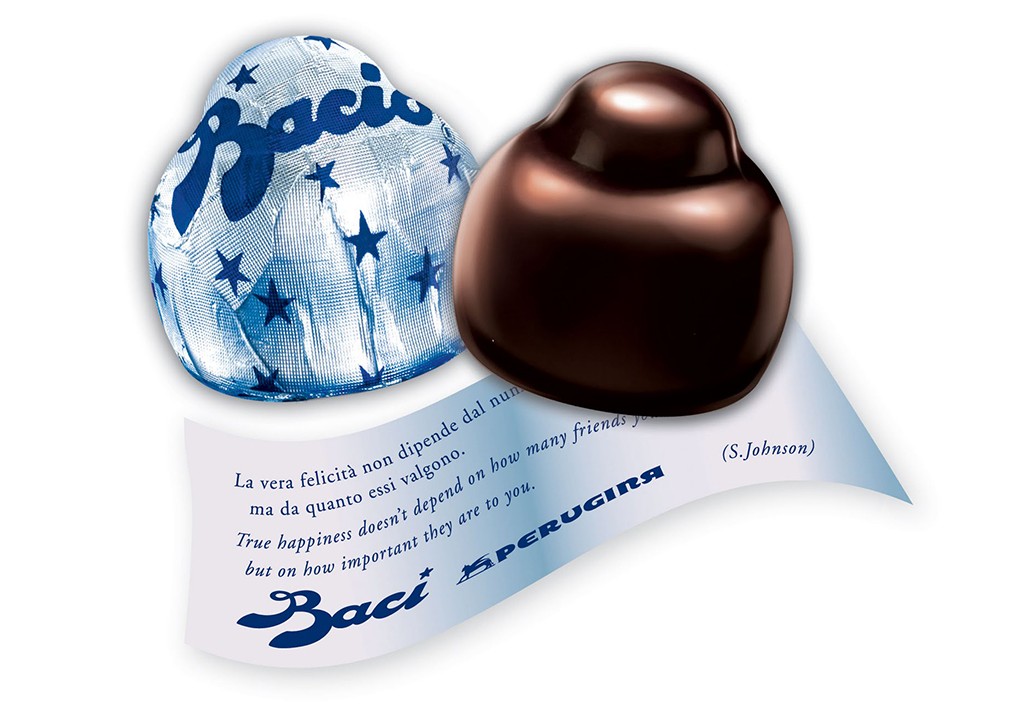
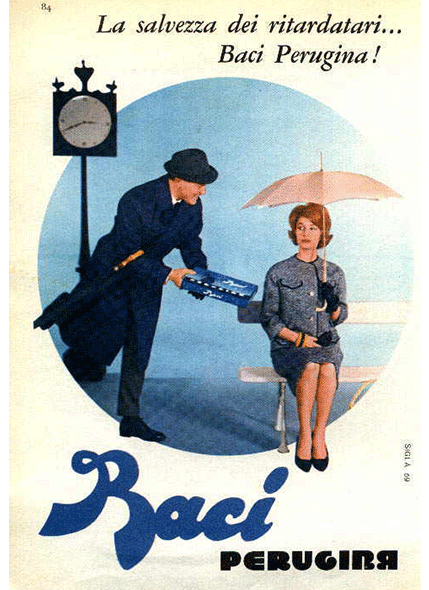
A delicious breakfast: Espresso coffee with a spot of milk and a homemade “bacio” (kiss,” like the famous candy “i baci di Perugina”)

.

milan, italy, travel

Risotto all’ortolana al Ristorante “A Santa Lucia” vicino al Duomo / Vegetable risotto at “A Santa Lucia” Restaurant near the Duomo

.

 travel italy, milan, speak italy

Il mio fioraio preferito, a Piaza Cordusio, in centro. / My favorite flower vendor, Cordusio Plaza, in the center.

.

travel italy, milan, speak italyCamminando lungo Via Dante, con vista del Castello Sforzesco in fondo alla via. / Walking along Dante Street, with the Sforzesco Castle in view at the end of the street.

.

 travel italy, milan, speak italian

Le bici a noleggio (“Bike Sharing”: 36 all’anno, €2.50 al giorno) — quanto mi piace quest’idea! / Bikes to rent (Bike sharing: €36/year, €2.50/day) — I love this idea!

.

travel italy, milan, speak italian

Il Duomo, la cattedradale di Milano. / The Duomo, Milan’s cathedral. I learneded that duomo does not mean “dome,” but rather comes from the latin word “domus,” meaning house of God, or casa di Dio.)

.

travel italy, milan, speak italian

Il simpaticissimo proprietario del Ristorante Bella Riva sui navagli. / The very engaging owner of the Bella Riva Restaurant in Milan’s canal district. (Yes, Milan has canals!)

.

travel italy, milan, speak italian

Il delizioso “Panino Ricco” (con speck e brie) dal bar piu’ vicino al mio albergo, Hotel la Vignetta. / The delicious “Rich Sandwich” (that’s the name of the sandwich on the menu, speck is a type of Italian cured meat) at the cafe nearest to my hotel.

.

travel italy, milan, speak italian

Una riunione dei Milan-Easy Toastmasters, il club che ho aiutato a fondare io. / A meeting of the Milan-Easy Toastmasters, a club that I helped start up.

.

travel italy, milan, speak italian

Una pubblicita’ per la Shiseido, la societa’ giapponese di cosmetici. C’e’ scritto “Grazie!” / An advertisement for the Japanese cosmetics company Shiseido. It says, “Grazie!”

.

travel italy, milan, speak italian

Lungo il Corso di Porta Ticinese. / Along the Porta Ticinese Avenue.

.

travel italy, milan, speak italian

Dei ragazzi che camminano sulla corda in Parco Sempione. / Guys walking on a tightrope in Sempione Park.

.

travel italy, milan, speak italian

Mi sono presa una di quelle bici a noleggio ed ho fatto giro a Parco Sempione! / I got myself one of those rental bikes and took a spin around Sempione Park!

.

travel italy milan, speak italian

.

Leggenda milanese: Si dice che se metti il tacco sui “gioelli” del toro in questo mosaico nella Galleria Vittorio Emanuele e fai un girotondo assicuri il tuo ritorno a Milano! / Milanese legend: It is said that if you put your heel on the bull’s “jewels” in this mosaic in the Victor Emanuel Gallery and you spin around, you are sure to return to Milan!

.

Which of these pictures is your favorite? Have you been to Milan? What are some of your favorite memories? Love to read your comments in the section below!

.


Get the latest news & updates!


Recently, in honor of World Nutella Day… Giada Antonucci (friend, Italian student, and baking-partner-in-crime) and I got together to concoct a recipe that I dreamt up using Nutella (that most delicious, creamy chocolate & hazlenut Italian spread).

.

.

Annual World Nutella Day was just around the corner, and I got to thinking that rather than just celebrate it by merely dipping my spoon into the nearest Nutella jar (as I’d done when I discovered this day last year), I, too, wanted to participate in the Nutella recipe challenge.

.

Next came the question: What to do, what to make? And so the recipe came to me:  Nutella-filled Red Velvet Cake Pops… I’d sampled cake pops only once, but never made them…  and thus began the baking shenanigans — If there was a mistake to be made, we made it — truly worthy of a Lucy & Ethel episode!

.

.

So, first, the disclaimer:  Try this at home at your own risk, and you may very well end up with a messy kitchen and completely blowing your diet, but very happy taste buds!

.

.

First thing, we had to procure the cake pop molds (we found ours at Bed Bath & Beyond), then get savvy on how to mix the perfect cake pop batter (an extra egg added to the standard cake mix; substitute milk for water, cutting the amount in half, and add one packet of dry pudding mix, in a complimentary flavor (to our red velvet cake mix we added chocolate pudding).

.

Then be sure to spray the cake pop molds with a spray that contains flour (not just any old vegetable spray, as it will mess up the consistency of the pops). We used Baker’s Joy.

.

.

Next challenge:  Spoon the mixture into the mold — no pouring possible — the stuff is just too thick! (Of course, starting with this phase, we made pretty much every possible mistake we could: First off we deposited our batter, forgetting to spray. Do over! Note to selves: Cake pop molds are a pain in the beep to wash :-(

.

.

Once done, you clamp the two halves of the mold together and pop into the oven for the suggested baking time. Naturally, we overfilled our first batch. Luckily, cake pop molds are built with an overflow hole for just this type of snafu. An easy fix: just scrape off the excess after baking… providing us with perfect mini samples — we were able to instantly confirm (via scientific dipping method) that red velvet cake + Nutella = yummmm!

.

Despite the late hour (Friday evening, after a long day and an even longer work week) we knew instantly that we were on to something good.

.

.

Now with our cake pop baking techniques down pat, we moved on to our next challenge:  Getting the Nutella into the center of the cake pops. To say it was a challenge is an understatement. Cake pops are tiny little deals, and even if we’d had a pastry sleeve, which we didn’t, it still would have been una faccenda difficile (a difficult feat).

.

.injecting nutella with syringe

.

After trying to use a paper envelope and then a plastic baggie (both unsuccessful), we finally ended up using a mini syringe filled (with sufficient difficulty, given the small aperture involved and the inherent thickness of Nutella… a bigger syringe would be much easier to wield). In our particular case, were able to inject 20-30 mm of Nutella into each cake pop.

.

inserting sticks into red velvet nutella-filled cake pops

.

Next phase/Challenge:  Getting the sticks into the pops. We used a combination of the sticks included in the cake pop kit and bamboo skewers cut in half. We dipped them into melted chocolate and then stuck them into one side of the cake pop spheres. Then we popped them into the freezer for for about 10 minutes fast ‘curing’.

.

.

Next, the final phase: Covering the pops with frosting/glacé. We wanted to use a vanilla or white chocolate frosting, but after messing those up (wrong melting techniques, etc), our potential frosting ingredients had dwindled down to a bag of Nestle chocolate chips, which we melted in the microwave, adding, per package instructions, a tablespoon of vegetable oil.

.

frosting red velvet nutella-filled cakepops

.

But this was not the easy-peasy dipping sauce we’d hoped for. We ended up having to be very hands-on — basically frosting individually each cake pop versus dipping it(!)

.

finaL PRESentation red velvet nutella-filled cake pops

.

Mamma mia! What an arduous task! Four-plus hours after we’d started, at midnight, (and with the aid of a nice bottle of Italian red — we found San Giovese goes well with red velvet cake and Nutella ;-) ) — we had finished with a yield of about 50 cake pops.

Whew!!! The result, despite our Lucy & Ethel-esque baking escapade, was delicious, as verified by our enthusiastic taste-testers the next morning at the Saturday Italian Conversation & Study Group!

.

Afterthoughts:  If you want to try a similar omaggio (homage) to Nutella, go for it. If you avoid our first-timer mistakes, it should be a much quicker process. Should you want the same yummy flavors without the detailed work necessary to make cake pops, we suggest you make a simple red velvet cake and frost it with Nutella — same flavors and way less work!

.

Your thoughts:  Have you tried Nutella? Have you used it in any baking recipes? Plan to try your hand at our crazy Red Velvet Nutella-filled Cake Pops? Love to hear your comments in the “Leave a Reply” section below… Buon  appetito!


February 14th, 2012

.

Come si dice “I love you” in italiano? (Come si dice? = How do you say?) is always una buona domanda (a good question), especially around il giorno di San Valentino (Valentine’s Day).

.

La risposta (the answer) depends on who you’re saying “I love you” to.

.

Per evitare di fare brutta figura (to avoid making an ungainly gaffe), watch my short video below, and be in the know!

.

Buon San Valentino a tutti i miei lettori! Vi voglio bene!

(Happy Valentine’s day to all my readers! I love you!)

.

P.S. Want to send a free online Italian Valentine’s card to someone special? Check out www.kisseo.it!

.


.

Do you have a favorite romantic phrase in Italian? Or is there one you’d like to know? Let me hear from you below!

.

Get the latest news & updates!


February 2nd, 2012

Che significa Montelupo Fiorentino? E che cos’e?

(What does Montelupo Fiorentino mean? And what is it?)

.

.

If you guessed that Montelupo Fiorentino means Florentine Mountain Wolf, you’re right! If you thought it might be the name of an Italian sports team, as in the Florentine Mountain Wolves, I’m with you – I think it’d make a great name for a little league calcio (soccer) team… but that’s not the right answer. Montelupo Fiorentino, as it turns out, is the name of a beautiful town of 11,000 located about 18 km (12 mi) southwest of Firenze (aka Florence).

.

.

Nestled in the gently rolling Tuscan hills, this small town, which originated with the construction of a medieval castle, boasts a long history of beautiful ceramics. In fact, the town’s economy is based on its production of Chianti wine and its ceramics industry. The Montelupo region is also very interesting from an archaeological point of view. Digs from the 1970s unearthed many prehistoric artifacts and also proved the existence of Etruscan and Roman settlements in the area.

.

.

Montelupo Fiorentino is also a great locale for a vacation… it is in fact the town nearest to Tenuta San Vito (the San Vito Property) which hosts the Farmhouse-Villa where we’ll be staying at during the upcoming Photo-Cultural Tour to Tuscany that I’m leading in March. And there’s plenty special about that… the fact that it’s set amidst lush organic olive groves and vineyards, and that it has the distinction of being one of Italy’s first organic agri-tourism establishments (dating back to the 1960s). The Tenuta San Vito boasts beautifully restored lodging, a restaurant, wine and olive oil tasting, and grounds that feature hiking, horseback riding, tennis, archery, and golf.

.

.

The tour, led by myself and Joanna Herr, an award-winning photographer, will feature an amazing 12 days that weave instruction in language, cooking, and photography, and the exploration of some of Italy’s most beautiful medieval towns, excellent company, a small-sized group, and a relaxed, flexible itinerary. The tour takes place March 17-28, 2012. See trip itinerary>>

.

Are you interested in this trip? There are just a few spots left – get in touch with me today! Email: jodina@ItalianoWithJodina.com. Phone: 760.201.7594.

.

Are you interested in future trips? I hope to offer more trips in the future, and the more interest I have, the sooner they will happen! So please, sign up for my list:

Get the latest news & updates!

.

And as always, your comments are welcome in the comments section below!


~Blog Repost~

.

Allora, dunque, siamo arrivati a capodanno… di già! Caspita! (So, well, we’ve arrived at New Year’s Eve… already! Goodness/Yikes!) And I promised to post a recipe for the yummy traditional Italian holiday dish of lenticchie (lentils). Often eaten at Christmas – but even more so on New Year’s Eve or Day – this hearty, scrumptious, easy-to-make ricetta (recipe) is considered to bring prosperity in the New Year. This is because the flat, round shape of the lentils resemble coins.

.

gold coins.

Should you decide not to make this dish this year, fret not… you can still ensure a prosperous new year by crossing the threshold (of your home or that of wherever you are) at the stroke of midnight carrying some lentils! (Or, even sometime on New Year’s Day.) Thus you are ushering prosperity in with the New Year!

.

So, without more ado, let me get right to the ingredients of preparing le lenticchie (the lentils), so I can get to the market and into the kitchen to prepare lentils for my famiglia!

.

italian food italian cooking

.

First off, let me say that I consider most Italian recipes as ‘approximative’… I say this because Italian cuisine is much more about accurate cooking processes and fresh quality ingredients than precise measurements (baking of course is another matter), with the exception of pasta and legumes, which are weighed.

.

italian cooking spices

.

That said, I use recipes as a point of departure – as a guide to which ingredients to use, and the order in which to add them, and I modify and embellish from there based on my needs (the appetites of my eaters and what I may or may not have in the kitchen and my own tastes). When cooking, I tend to err on the side of abundance… as in, if the ricetta calls for 2 stalks of celery, I might use 3; a small onion, I’ll use a big one; extra spices, etc.

.

And because the crew I’m cooking for tonight are grandi mangioni (very hearty eaters), I’ll significantly increase the proportions indicated in the ingredients, because even though I’m more of a zia italiana (Italian aunt) than a mamma italiana (Italian mama), I still don’t want anyone leaving the tavola (table) con fame (hungry)!

.

an italian dinner

.

RICETTA: LENTICCHIE CON COTECHINO (Recipe: Lentils with pork sausage)
Ingredienti per quattro persone (Ingredients for 4 people)

  • - 300 gr di lenticchie secche (10-11 oz dry lentils; I’ll use the smallish brown-green kind)
  • - uno a due cucchiai di olio d’oliva (1-2 tblsp Olive oil)
  • - uno a due cucchiai di burro 2 tblsp (1-2 butter)
  • - una cipolla trittata (1 chopped onion)
  • - una costola di sedano trittata (1 stalk of celery, chopped)
  • - due gambi di porro trittati (leeks: 2 bulbs/stems, chopped)
  • - una carota trittata (one diced carrot)
  • - vino bianco secco (dry white wine)
  • - un pomodoro piccolo trittato (1 small chopped tomato)
  • - mezza foglia di alloro (half a bay/laurel leaf)
  • - 8-10 bicchieri d’acqua (8-10 cups water)
  • - dadi q.b./quanto basta (broth/boullion cubes, as needed, per packet instructions)
  • - sale e pepe, q.b. (salt and pepper, as needed/to taste)
  • - qualche rametto di timo fresco (a few sprigs of fresh thyme)
  • - 500 gr cotechino (approx 1 lb ‘cotechino’, a traditional Italian sausage. Since where I currently am I cannot find ‘cotechino’, I’ll substitute with the local mild Italian sausages. Normally I don’t eat pork but make exceptions for special/family occasions. You can easily make this a vegetarian dish by omitting the sausage, as I have done on many an occasion.)

.

ITALIAN  STEW WITH COTECHINO PORK SAUSAGE

.

PREPARAZIONE (Preparation)

  1. Rinse and soak lentils in water for 1-2 hours.
  2. Heat the water with broth/boullion cubes to a boil and then keep covered at a simmer until needed.
  3. In a large pan/stew pot, over low flame/heat, heat up/melt olive oil and butter.
  4. Add chopped onion, leek, celery, and carrot.
  5. Sauté this mix, stirring occasionally, until onion is transparent.
  6. Add lentils, stirring as they absorb the oil and flavors of the vegetables.
  7. Add white wine and stir mix while sautéing to allow it to absorb into lentils
  8. Add tomato and stir while sautéing.
  9. Add salt and pepper to taste.
  10. Now begin adding the broth water. Don’t add it all at once, but rather add just enough to cover the lentils. Cover the pot; check and stir mix frequently, adding more broth water as it is absorbed.
  11. In a separate pot, steam the sausage(s). Be careful not to overcook. When finished, the casings will have turned white. They should be tender, not tough.
  12. Frequently taste/check the lentil stew during cooking process. When ready, lentils should be soft but not mushy.
  13. Add more salt and pepper if needed.
  14. When finished, remove the stew from heat/flame and add the leaves of several fresh sprigs of thyme and mix. Remove the laurel leaf/
  15. When sausages are cooked, remove them from heat and remove the casings. Slice the sausages and put slices over the top of the portions of lentil stew before serving.
  16. As a garnish, add a sprig of fresh thyme to each plate before serving.

.

Auguro un felice e prospero anno a tutti! (I wish everyone a happy and prosperous new year!)

.

Have you ever cooked or eaten le lenticchie? Do you plan to try this recipe? Have a different twist on this one? I’d love to hear about it! Leave comments below.

.


~ The holy trinity of present bringers ~

.

limoncello and biscotti

.

     As I sit here sipping on limoncello and nibbling biscotti, I am thinking to myself that it’s time for another blog post. So why not tell you about la Madonnina, la Befana and Babbo Natale?… this time of year in Italy you’d hear quite a few people name-dropping these illustrious personages… but just who are these three characters, and what do they have to do with an Italian Christmas?

.

While they certainly are not the holy trinity, we could perhaps group them together as a trinity of Christmas gift bringers — that’s at least one thing that they do all have in common.

.
statue of la madonnina on milan's duomo rooftop
.

     La Madonnina, meaning little Madonna, is the nickname of the Virgin Mary, especially common in Milan. La Madonnina is also the name of the golden statue of the Virgin Mary that adorns the top of Milan’s majestic Duomo cathedral, both characteristic symbols of the city.

.

La Madonnina, or the Virgin Mary, has her own special national holiday – L’Immacolata Concezione (the Immacolate Conception) — on December 8th, observed throughout Italy. Though this day is not actually associated with Christmas, it ushers in the holiday season, much like Thanksgiving does in the U.S.

.

la befana riding on a broomstick

.

     La Befana is a character of a much less saintly appearance. A much-loved icon of Italian folklore, she is depicted as a grandmotherly figure riding a broom, wearing a shawl and covered in soot. Lore has it that la Befana zips in and out of chimneys on the eve of the Epiphany (Jan. 6) delivering little presents (candy, fruit, etc) to good children and coal to the naughty ones.

.

     The advent of  Babbo Natale in Italy, known as Santa Claus in English (and translating literally to Daddy Christmas), was likely inspired by American GIs dressed up as Santa in Italy during WWII. This makes Babbo Natale a relatively new player on the Italian Christmas scene. Prior to Babbo Natale, the main bringer of presents in Italy was la Befana, and the goodies were delivered after Christmas, on January 6th*. Many older Italians in fact, only recall presents being brought on Epiphany, when they would hang up their calze (stockings) for the old lady to fill during the night.

.

(Epiphany is when the three wise men are to have arrived in Bethlehem. This holiday ushers out the Christmas season in Italy.)

.

italian santa claus on vespa scooter

.

     Babbo Natale therefore is somewhat of an interloper… and while the tradition of la Befana is alive and well in Italy, the Babbo has certainly supplanted her in many homes, where only Babbo Natale comes on the night between the 24th and 25th. Though some lucky kids get regali (gifts) from both Santa and la Befana… kind of  the way some kids in the U.S. hang up a stocking for St. Nicholas on the 6th or 7th of December and also get presents from Santa.

.

     And there you have the three Italian Christmas gift bringers: La Befana brings the sweets and the treats, Babbo Natale brings the regali, and la Madonnina brings perhaps the most important gift of all — il Gesu Bambino (the Baby Jesus).

.

     Oh, and I almost forgot … another really cool thing that they all have in common is that they all have songs dedicated to them!

.

Oh Mia Bella Madunina

(Video with nice pictures of Milano, subtitles in Milanese)

.

.

Santa Claus Is Coming to Town“, Michael Bublé
.

.

La Befana Vien di Notte is nursery rhyme Italian children  learn.

(Lyrics below.)

.

~

La Befana vien di notte
Con le scarpe tutte rotte
Col vestito alla romana
Viva, Viva La Befana!

.

The English translation is:

The Befana comes by night
With her shoes all tattered and torn
She comes dressed in the Roman way
Long live the Befana!

~

.

     I wasn’t able to find a video of the Befana song, but I did find this entertaining storyteller recounting the “Befana’s Italian Christmas Story,” filmed at Epcot in Disney World.

.


.

Had you heard of la Befana before? Got any good Befana stories? Who’s più simpatico (more charming), la Befana or Babbo Natale? Love, love, love your comments!

.

Buone feste e buon Natale! (Happy Holidays and Merry Christmas!)

.

Get the latest news & updates!


Ecco (Here is) Lisa’s latest blog post! If you haven’t read her previous entries, they’re here: Guest Blog Part 2,  Guest Blog Part 1

.

In breve (in breief), Lisa, one of my students, is living her sogno (dream) by spending sette settimane (seven weeks) a Firenze (in Florence), where she has affittato un’appartamento (rented an apartment) and si è iscritta (she has enrolled) a una scuola di lingua italiana (in an Italian language school) — un sogno condiviso da molti (a dream shared by many).  Lisa is sharing le sue esperienze (her experiences) in a series of guest blogs that I am featuring here on my website.

.

Dear Firenze,

.

I cannot thank you enough for being such a splendid host for my Toscana visit.  In such a short time, I have learned about the magnificent art masters who built the foundation of Italian art, how the Etruscans were the first to settle here high up in the hills of Fiesole overlooking your valley, that Hitler used you as his Italian headquarters with Mussolini during WWII and how he spared you from ruin with his love for your beauty, about the delicious culinary creations such as schiacciata (special bread with grapes made only during harvest time) and so many of your other unique qualities.

.

florence streets

One of the narrow, winding streets of Firenze

.

I am proud of myself for being brave enough to navigate the spiral labyrinths of your cobble stoned streets and always finding my way home, buying a ticket to ride the bus, for mastering how to buy a ticket on Trenitalia,  speaking only Italian while interacting with your amazing people, going out to eat alone and not feeling out of place and buying two beautiful Italian outfits…with many more to come!

.

an italian clothing store in florence, italy

Un negozio di moda a Firenze (A clothing store in Florence)

.

I enjoy waking up with the peals of the bells from the Duomo, setting my clock by the deliveries to the restaurants and markets on my little narrow street, having a later lunch and a small snack for dinner and even all of the kilometers I walk every day to meander my way to the next adventure.

.

Il Campanile di Giotto (Giotto’s belltower)

.

This next week should bring even more wonder and amazement to my Italian adventure!  Between the classical music concerts, class work, visiting friends in Bologna, and touring the Tuscan countryside this next weekend, I feel certain I will have even more reasons to be in love with the most fantastic small city and the most intriguing country…Italia!

.

Abbracci,
Lisa DeLucchi


.

Ecco some Italian vocabulary drawn from Lisa’s blog post:

  1. to be brave: essere coraggioso(a)
  2. cobble stone streets: le strade a ciottoli (ciottolo = pebble or cobblestone)
  3. speak only Italian: parlare solo italiano
  4. buy a beautiful Italian outfit: comprare un bel completo italiano
  5. peals of the bells: lo scampanio, or il suono di campane
  6. deliveries to the restaurants: le consegne ai ristoranti
  7. meander: gironzolare
  8. wonder and amazement: meraviglia e stupore

.

Have you been to Firenze? What do you love most about this city? If not, what do you dream of doing there?

Your comments are welcome!

.


Get the latest news & updates!


     What does a monsignor to the Vatican do when he’s not in Rome doing what a monsignor does?
Inquiring minds want to know, and I, my dears, have the answers!

.

.

Recently I had the pleasure of having breakfast with Monsignor Luigi Falcone, a secretary of state to the Vatican, right here in San Diego.

.

My student Bill (aka Giorgio) invited me. Giorgio and his wife Gina were hosting Monsignor Luigi during his first-ever vacanza (vacation) to California. Gina and Luigi, it turns out, are fourth cousins whose bis nonni (great grandfathers) were cugini (cousins) from Bisignano, Calabria…. Gina and Giorgio had met Luigi during a vacation to Italy many years ago, and he’d made a promise to visit them one day in San Diego, and now, here he was!

.

.

When we met, Luigi had just flown in the day before with his friend Lillo. So, I was meeting them at their first colazione all’americana (American breakfast), which you may know, is substantially different from a typical Italian breakfast.

.

Now onestamente (honestly), I had no idea what to expect… I imagined I’d see a man wearing a funny-shaped hat and long robes. But until we were introduced, I had no idea which of the two men was Monsignor Luigi, and which was Lillo. It turns out he was the one wearing una camicia sportiva azzurra (a blue polo shirt) — just like any lay-person might do on a warm Southern California morning!

.

When asked about “uniforms” (in italiano, “divise”), he said when he’s working at il Vaticano, he wears lunghi vesti neri (long black robes) con una fusciacca viola (with a purple sash). And when going about his personal business, he must wear some type of colletto (collar) identifying him as clergy. But here, off duty and on vacation, he can wear whatever he wants. As the saying goes, when in SoCal…

.

Monsignor Luigi, Giorgio, Lillo, Gina, Jodina
Where’s Luigi? (E’ l’uomo a sinistra.)

.

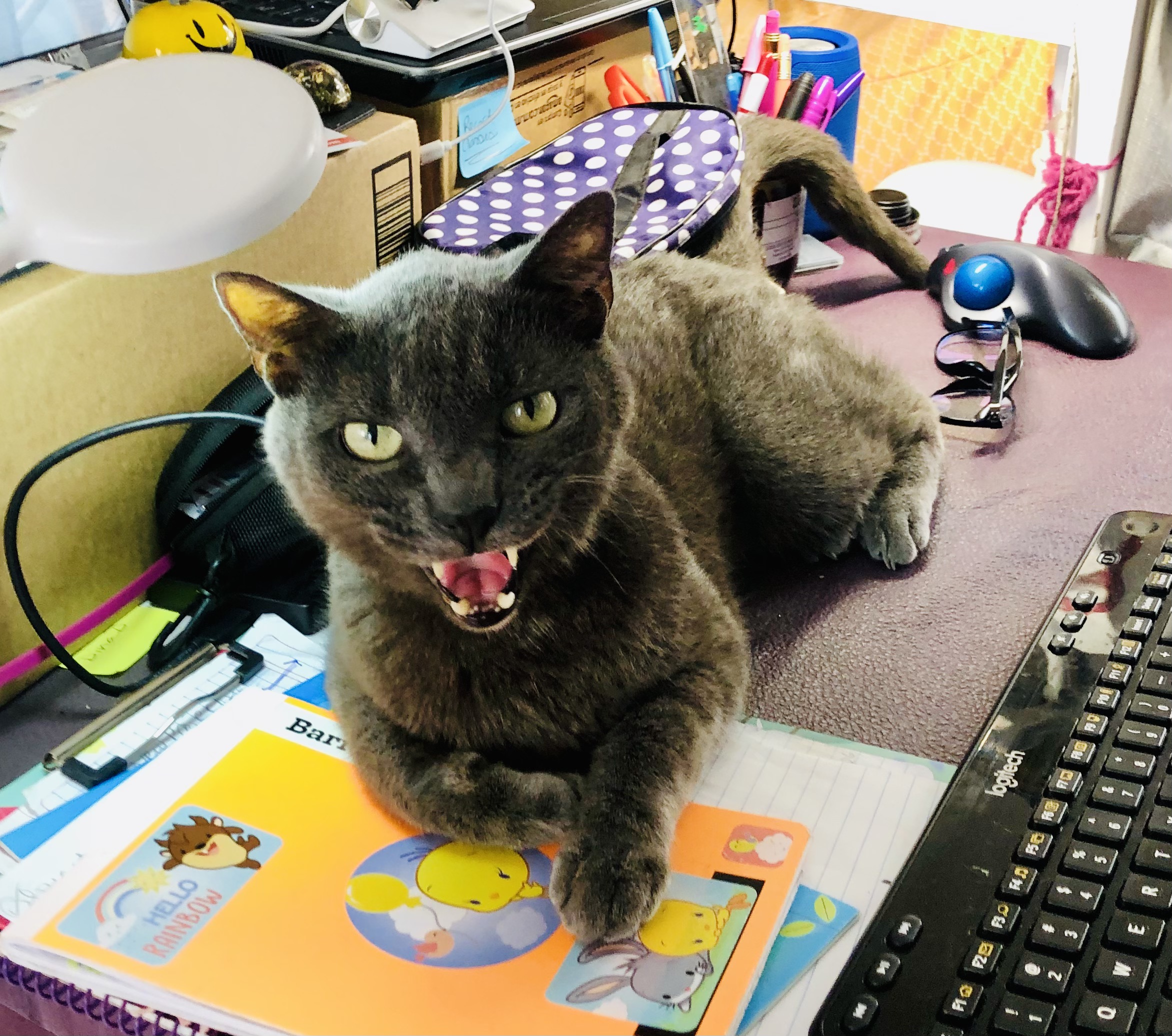
So what did we talk about and what did we EAT? Well, Luigi took the advice of our cameriere (waiter) and had the panino all’uovo e formaggio (egg and cheese breakfast sandwich). Lillo on the other hand, who’d already had a classic Italian breakfast of caffe e biscotti (coffee and biscuits) had the homemade date bar.
.

You may be wondering whether we engaged in lofty, pithy conversation… for a little while, we did touch on lo stato del mondo (the state of the world) and la politica (politics), but mostly, I was translating between the four of them (giving them and their iPad translator apps a welcome rest!) on the topic of where they’d go and what they’d see during their time in sunny California.
.

So where did they go and what did they see? The important cathedrals of SoCal? Non proprio! (not at all)… they gleefully went alla spiaggia (to the beach), SeaWorld, DisneyLand, Universal  Studios, allo zoo (to the San Diego Zoo), Los Angeles, Palm Springs, and Newport Beach… and according to Giorgio, si sono divertiti un mondo (they had a blast)!

.

Il morale della storia? (The moral of the story?) When in San Diego from Rome, do as the San Diegans do! (Wear polo shirts, eat egg & cheese sandwiches, visit Seaworld and Disneyland!) And, last I heard, they were talking about “next time” when they’ll go to Las Vegas!

.

.

Sidenote: I’m looking forward to visiting my new friends in Italy, where I’ll visit Lillo’s city, Scilla, and do as the Scillans do – pescano (they fish) right off the balconi (balconies) of their homes built into the side of the cliffs overlooking the Mar Tirreno (Tyrrhenian Sea) …!

.

Link to Mons. Luigi on internet – See him in traditional attire at the celebration of his 25 years as a priest.

.

Have any interesting “vacationing Italian” anecdotes you want to share? Ever been to Scilla? I love reading your comments!

.


Get the latest news & updates!


Ecco (Here is) Lisa’s second blog post! If you didn’t read the first one, it’s here: Guest Blog Part 1

.

In breve (in short), Lisa, one of my students, is living her sogno (dream) by spending sette settimane (seven weeks) a Firenze (in Florence), where she has affittato un’appartamento (rented an apartment) and si è iscritta (she has enrolled) a una scuola di lingua italiana (in an Italian language school) — un sogno condiviso da molti (a dream shared by many).  Lisa is sharing le sue esperienze (her experiences) in a series of guest blogs that I am featuring here on my website.

.

Il Ponte Vecchio sopra il Fiume Arno a Firenze

.

Che bella giornata a Firenze oggi!
My dream trip is well into it’s 4th day, and I am finally feeling rested and over the incredible jet lag.

.

I have been in the advanced intermediate class at the Koinè Institute for three days now and am absolutely loving it! Jodina did an amazing job preparing me in the advancement of my Italian skills!  Tante grazie bella :)

.

There are only five of us in class, all from different countries, with the only common language being Italian. You can imagine the fun we have trying to communicate – LOL. All kidding aside, we do manage to have some quite lofty conversations. Today we discussed the lowered bond rating for Italy and how the euro has not helped the Italian public’s cost of living.

.

I am throughly enjoying myself here in this magnificent city. Last night I was entertained by a free opera performance in front of The Duomo and a fabulous jazz trio in another small piazza.  It is a wonderful city for the solo traveler, as you never feel alone. There are friendly people everywhere, and so many activities from which to choose.

.

Arrividerci a tutti!

La Contessa* Lisa DeLucchi :)

[*This is Lisa's soprannome (nickname) in the Italian Conversation & Study Group.]

.

The Ponte Vecchio bridge over the Arno River in Florence

.

Ecco some Italian vocabulary drawn from Lisa’s blog post:

  1. to have jet lag: soffrire dal fuso orario
  2. advancement of Italian skills: progresso in italiano
  3. students from different countries: studenti da paesi diversi
  4. kidding aside: scherzi a parte
  5. lofty conversation: conversazione elevata 
  6. the cost of living: il costo della vita
  7. a magnificent city: una città magnifica
  8. an opera performance: un concerto lirico
  9. friendly people everywhere: gente amichevole dappertutto

.

Do you dream of an adventure like Lisa’s? Do you have a story of your own to share? We welcome your comments below!

.


Get the latest news & updates!


fiber arts


Perhaps you practice one of the many varieties of fiber arts, or perhaps you just appreciate i prodotti finiti (the finished products) resulting from skills that have been tramandati da generazione in generazione (passed from generation to generation)


Before la produzione in massa (mass production), fiber arts were integral to the creation of everyday knit and woven goods. These traditional artisan art forms now enjoy great popularity as hobbies.

.

Mimi al telaio (Mimi at the loom)

.

L’ispirazione per questo blog (The inspiration for this blog post) comes from my student Mimi, an accomplished tessitrice e filatrice (weaver and spinner).  This weekend (October 8-9, 2011) is the Vista Fiber Arts Fiesta.  If you are lucky enough to live near north San Diego County, check out this link and check out the event! www.VistaFiberArtsFiesta.com

.

Here is Italian vocabulary related to the most popular forms of fiber arts:

  1. le antiche arti femminili: literally, the ancient feminine arts. While there are no exact translations for fiber arts, this term perhaps comes the closest.
  2. lavorare a maglia/Lavorare a uncinetto: to knit/to crochet
  3. i ferri per la maglia: knitting needles
  4. l’uncinetto: crochet hook
  5. il gomitolo di lana: ball of wool/yarn
  6. la matassa: skein
  7. il filo di lana/di seta: wool/silk yarn
  8. le forbici: scissors
  9. il metro da sarta: tape measure
  10. la tessitura: weaving
  11. un tessitore, m/una tessitrice, f: a weaver
  12. tessere a mano: to weave by hand
    Lavorare a telaio:  to weave with a loom
  13. un filatore, m./una filatrice, f.: spinner
  14. il filatoio a mano: spinning wheel
  15. cucire: to sew
  16. la macchina per cucire: sewing machine
  17. l’ago e il filo: needle and thread
  18. il cartamodello: pattern


Do you practice any of the fiber arts (le antiche arti femminili)

Got any words to add to this glossary? I love hearing your comments!

.

I filatoi a mano (Spinning wheels)

.

 
Get Adobe Flash playerPlugin by wpburn.com wordpress themes
  • Jodina's FREE Report!

    "Super-Charge Your Study Time & Learn Italian Faster!"

    50 Great Ideas!

  •  Get Updates!

  • Admin