Halloween in Italia: una festa sempre più amata 🎃
See BELOW for ENGLISH Translation ⇓
Fino a pochi decenni fa, il 31 ottobre in Italia passava quasi inosservato. Per la maggior parte degli italiani, la fine di ottobre significava soltanto l’avvicinarsi della commemorazione dei defunti e di Ognissanti, giornate legate alla tradizione religiosa e alla memoria dei propri cari.
 Posso attestare infatti che una ventina o più di anni fa, volendo festeggiare l’Halloween in Italia, questa festa non era un’usanza comune. Quindi per celebrare ho dovuto organizzare le feste io, non che mi lamentassi ;-).
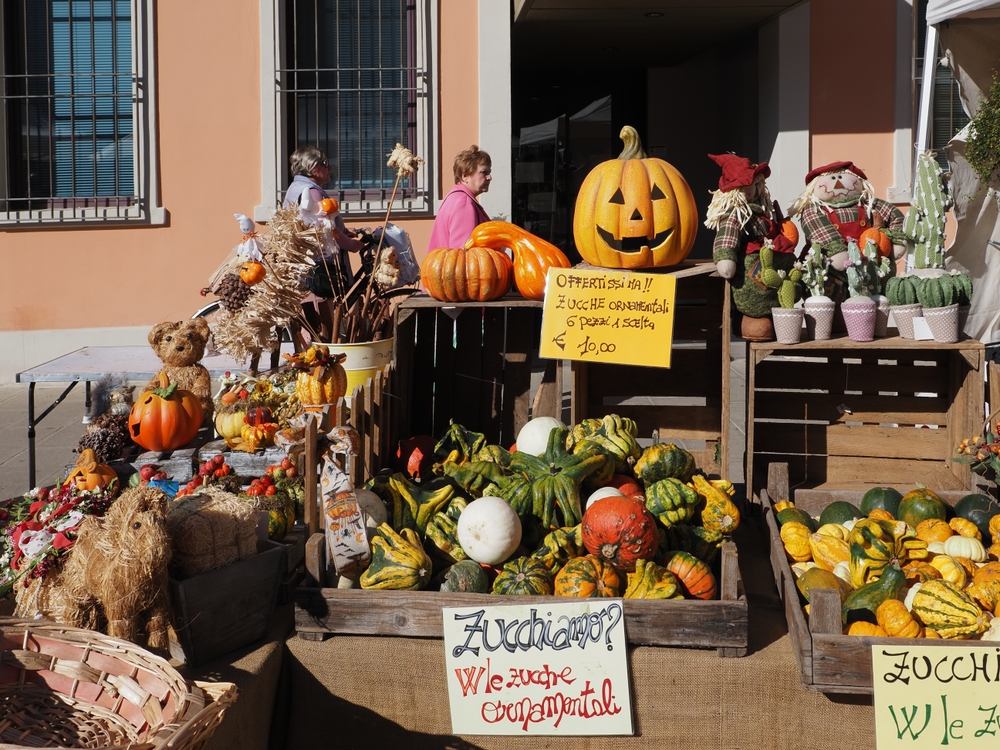
Una volta, un amico al quale ho chiesto di procurare una zucca per la festa, ha girato la città per ore prima di trovare una zucca grande abbastanza da poterla intagliare. Per ogni festa però, quasi tutti sono arrivati in costume – stranieri ed anche italiani – felici di particepare alla festa “esotica”.
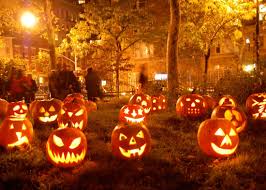
Ma oggi, camminando per le strade di qualsiasi città italiana, è impossibile non notare zucche intagliate, vetrine addobbate con ragnatele finte e bambini travestiti da streghette e vampiri. Halloween è ormai diventata una festa popolare anche nel Bel Paese, capace di unire divertimento, folklore e un pizzico di mistero.
Le origini e il “ritardo” italiano
 Halloween nasce in Irlanda come festa celtica di Samhain, poi reinterpretata nel mondo anglosassone e infine trasformata in una celebrazione moderna, diffusa soprattutto negli Stati Uniti. In Italia, tuttavia, la tradizione non ha radici proprie: per molto tempo la festa è stata vista come una moda importata, quasi “commerciale”, e perciò accolta con diffidenza.
Negli anni ’80 e ’90, l’influenza dei film americani e delle serie televisive ha cominciato lentamente a far conoscere la festa anche agli italiani, soprattutto ai più giovani. Ma è stato con l’arrivo dei primi anni 2000 che Halloween ha davvero preso piede, grazie ai social media, ai locali notturni e ai centri commerciali che hanno iniziato a organizzare feste e promozioni a tema.
Halloween oggi: tra feste, maschere e dolcetti
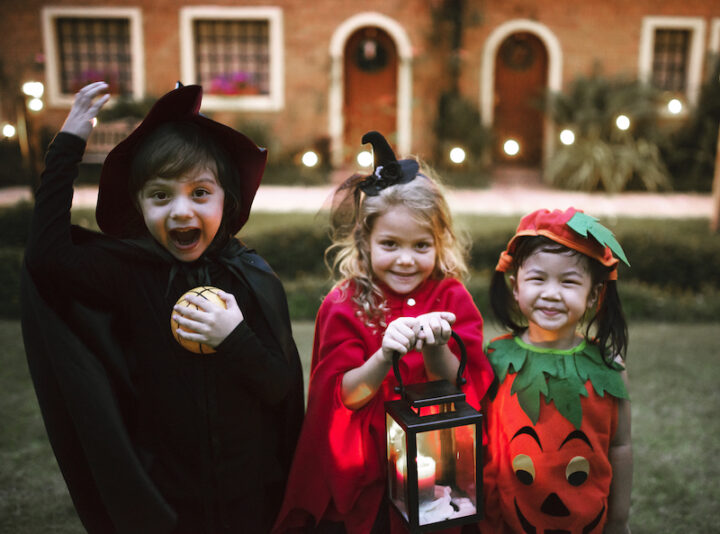
Oggi Halloween in Italia è una ricorrenza che coinvolge tutti: bambini, adolescenti e adulti. I più piccoli si divertono con il classico “dolcetto o scherzetto”, che anche nei paesi di provincia inizia a diventare una tradizione consolidata. Le scuole organizzano feste in maschera e laboratori di intaglio delle zucche, mentre nei centri storici di molte città si tengono eventi tematici, percorsi “da brivido” e spettacoli di magia.
Per i giovani e gli adulti, Halloween è spesso un’occasione per uscire, partecipare a feste in discoteca o a serate a tema nei pub. Anche i ristoranti e le pasticcerie si sono adattati, proponendo menù “mostruosi” e dolci a forma di fantasmi e pipistrelli. A Napoli si trovano “muffin al sangue di fragola”, a Milano “cocktail stregati”, a Roma “torte alla zucca” e “biscotti zombie”.
Il lato culturale e le tradizioni locali
 Curiosamente, l’arrivo di Halloween ha anche riacceso l’interesse per alcune antiche tradizioni italiane legate ai morti e all’autunno. In Sicilia, ad esempio, i bambini aspettavano il 2 novembre per ricevere dolci e giocattoli “portati dai defunti”. In Sardegna si celebrava Is Animeddas, in cui i piccoli andavano di casa in casa chiedendo offerte in memoria dei defunti. Anche in Puglia e in Calabria si usava preparare dolci speciali per le anime dei morti.
In un certo senso, Halloween ha fatto riscoprire e modernizzare questi riti, dimostrando che la cultura non è mai statica: può accogliere nuove influenze e farle proprie.
Tra critica e accettazione
Non mancano, naturalmente, i detrattori. Alcuni considerano Halloween una festa puramente commerciale, priva di significato per la tradizione italiana. Tuttavia, la maggior parte delle persone sembra viverla in modo leggero e conviviale, come un’occasione per divertirsi e per condividere momenti creativi con amici e famiglia.
Un mio amico infatti sostiene che l’infiltrazione di Halloween in italia come gionro di nota e’ dovuta unicamente alla motivazione economica, propulsa dai negozianti e sopratutto dai risioranti e le pizzerie.
Lo stesso amico ha raccontato come proprio il 31 ottobre di quest’annno mentre era dal barbiere è arrivata una ‘greggia’ di bambini in maschera per fare “dolcetto o scherzetto”. Chiedendolo che è poi successpo, mi ha risposto che il barbiere “gli ha datto dei dolcetti — certo che non voleva mica che i piccolo mostriciattoli gli facessero uno scherzetto!”
Oggi, Halloween rappresenta un esempio perfetto di globalizzazione culturale: una festa nata altrove che, pur mantenendo la sua essenza, si è trasformata in qualcosa di unico in ogni paese. In Italia, mescola folklore, moda, cibo e socialità — il tutto con un tocco di ironia e di buon gusto tipicamente italiano.
Conclusione
Da “festa americana” a appuntamento atteso dell’autunno, Halloween in Italia ha fatto molta strada. È passata da curiosità esotica a fenomeno popolare, capace di coinvolgere grandi e piccoli. Che si tratti di una serata in discoteca o di una passeggiata tra le bancarelle di zucche, il 31 ottobre è ormai entrato nel calendario delle feste amate dagli italiani.
E forse, in fondo, non è poi così distante dalle tradizioni italiane più antiche: un modo per esorcizzare la paura, ridere del mistero e celebrare la vita, anche nelle sue ombre. 👻
ENGLISH TRANSLATION
Halloween in Italy: An Increasingly Popular Celebration
Until a few decades ago, October 31st went almost unnoticed in Italy. For most Italians, the end of October simply signified the approaching commemoration of the dead and All Saints’ Day, days linked to religious tradition and the memory of loved ones.
In fact, I can attest that twenty or more years ago, when I wanted to celebrate Halloween in Italy, this holiday wasn’t a common custom. So, to celebrate, I had to organize the party myself, not that I complained ;-).
Once, a friend I asked to get a pumpkin for the party wandered around town for hours before finding a pumpkin big enough to carve. For every party, however, almost everyone showed up in costume—foreigners and Italians alike—happy to participate in the “exotic” celebration.
But today, walking the streets of any Italian city, it’s impossible not to notice carved pumpkins, shop windows decorated with fake cobwebs, and children dressed as witches and vampires. Halloween has now become a popular holiday in Italy too, combining fun, folklore, and a touch of mystery.
The Origins and the Italian “Delay”
Halloween originated in Ireland as the Celtic festival of Samhain, later reinterpreted in the Anglo-Saxon world, and finally transformed into a modern celebration, especially popular in the United States. In Italy, however, the tradition has no roots of its own: for a long time, the holiday was seen as an imported, almost “commercial” fad, and was therefore met with suspicion.
In the 1980s and 1990s, the influence of American films and television series slowly began to make the holiday known to Italians, especially younger ones. But it wasn’t until the early 2000s that Halloween really took hold, thanks to social media, nightclubs, and shopping malls that began organizing themed parties and promotions.
Halloween Today: Parties, Masks, and Treats
Today, Halloween in Italy is a celebration that involves everyone: children, teenagers, and adults. The little ones enjoy the classic trick-or-treating, which is starting to become a consolidated tradition even in provincial towns. Schools organize costume parties and pumpkin-carving workshops, while the historic centers of many cities host themed events, “spooky” trails, and magic shows.
For young people and adults, Halloween is often an occasion to go out, attend parties at nightclubs, or attend themed nights in pubs. Restaurants and pastry shops have also adapted, offering “monstrous” menus and desserts shaped like ghosts and bats. In Naples, you’ll find “strawberry blood muffins,” in Milan “haunted cocktails,” and in Rome “pumpkin cakes” and “zombie cookies.”
Cultural aspects and local traditions
Curiously, the arrival of Halloween has also rekindled interest in some ancient Italian traditions related to the dead and autumn. In Sicily, for example, children waited until November 2nd to receive sweets and toys “brought by the dead.” In Sardinia, they celebrated Is Animeddas, during which children went from house to house asking for offerings in memory of the deceased. In Puglia and Calabria, special sweets were also prepared for the souls of the dead.
In a certain sense, Halloween has led to the rediscovery and modernization of these rituals, demonstrating that culture is never static: it can embrace new influences and make them its own.
Between Criticism and Acceptance
There are, of course, detractors. Some consider Halloween a purely commercial holiday, devoid of meaning for Italian tradition. However, most people seem to experience it in a lighthearted and convivial way, as an opportunity to have fun and share creative moments with friends and family.
A friend of mine claims that Halloween’s infiltration into Italy as a holiday of note is solely due to economic motivation, driven by shopkeepers, and especially restaurants and pizzerias.
The same friend recounted how, on October 31st of this year, while he was at the barbershop, a “herd” of children in costumes arrived to trick-or-treat. When I asked him what happened next, he replied that, “the barber gave them treats—of course—he didn’t want the little monsters to play a trick on him!”
Today, Halloween represents a perfect example of cultural globalization: a celebration born elsewhere that, while maintaining its essence, has transformed into something unique in each country. In Italy, it blends folklore, fashion, food, and socializing—all with a touch of irony and typically Italian good taste.
Conclusion
From an “American holiday” to a long-awaited autumn event, Halloween in Italy has come a long way. It has gone from an exotic curiosity to a popular phenomenon, capable of engaging both adults and children. Whether it’s a night at the disco or a stroll among pumpkin stalls, October 31st has become a fixture on the calendar of beloved Italian holidays.
And perhaps, after all, it’s not so far removed from the most ancient Italian traditions: a way to exorcise fear, laugh at mystery, and celebrate life, even in its shadows.
Autrice/Author: Jodina Gallo
Previous Post: Italian Words of the Year 2025 (So far)
My favorite online dictionary: WordReference
Lascia un commento! Leave a Comment (below)! Ti piace l’Halloween? Do you like Halloween? La festeggi e come? Do you celebrate it, and how? Cosa pensi dell’infiltrazione/adozione di questa festività in Italia? What do you think about the infiltration/adopting of this holiday in Italy?