
La Settimana della Lingua Italiana nel Mondo: gli italianismi che hanno conquistato l’inglese
See BELOW for post in ENGLISH ⇓
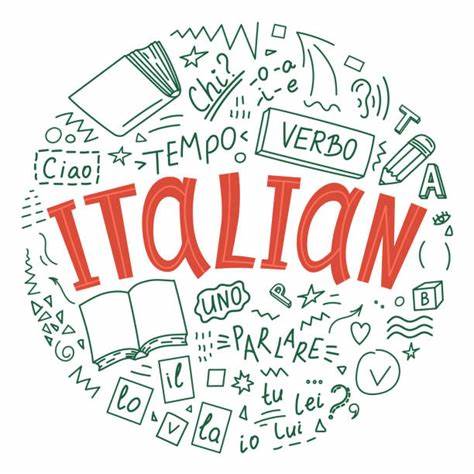 Ogni anno, nel mese di ottobre, si celebra La Settimana della Lingua Italiana nel Mondo, un’iniziativa promossa dal Ministero degli Affari Esteri e dell’Istituto Italiano di Cultura per diffondere la bellezza e la vitalità dell’italiano nel mondo.
È un’occasione per riflettere su quanto l’italiano sia amato, studiato e — soprattutto — parlato anche fuori dai confini d’Italia.
Sì, perché la lingua italiana non vive solo a Roma, Firenze o Napoli: vive anche a New York, Londra, Sydney e Tokyo — ogni volta che qualcuno ordina una pizza, beve un espresso o dice ciao.
Queste parole sono italiane, ma ormai appartengono al mondo.
Quest’anno la settimana va dal 13 al 19 ottobre. Il 2025 è il 25° anniversario e il tema è “Italofonia: linguaggio oltre i confini”.
🍝 Italianismi: piccoli ambasciatori culturali
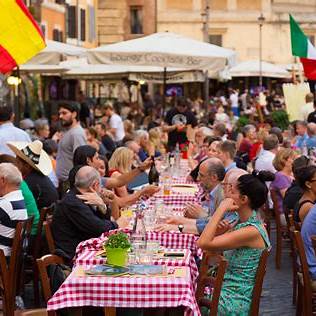 Gli italianismi sono parole italiane entrate in altre lingue — soprattutto l’inglese — spesso senza traduzione.
Sono “prestiti linguistici” che raccontano la storia e la vitalità della cultura italiana.
Molti riguardano la cucina, perché il cibo è forse la forma più universale di cultura italiana. In inglese si dice pasta, risotto, bruschetta, gelato, cappuccino e persino tiramisù, proprio come in Italia (anche se con accenti un po’ diversi!).
Qualcuno sbaglia e dice expresso invece di espresso, o one panini invece di un panino, ma il fascino resta intatto: sono parole che evocano profumo, calore e convivialità.
Altri italianismi appartengono alla musica e all’arte: termini come opera, soprano, allegro, andante, piano, forte, libretto, concerto.
Durante il Rinascimento e il Barocco, l’Italia era il cuore della musica europea, e l’italiano ne è diventato la lingua ufficiale.
Ancora oggi, i musicisti di tutto il mondo leggono andante con brio o adagio sostenuto come se fosse la lingua universale delle emozioni.
🎭 Quando l’italiano parla di stile
 Ci sono poi parole che raccontano lo stile di vita e la personalità italiana.
In inglese, ciao è uno dei saluti più conosciuti, bravo! è un applauso universale, bella figura descrive chi si comporta con eleganza, e dolce vita richiama l’atmosfera del film di Fellini e il piacere del vivere bene.
Anche parole più “drammatiche” come vendetta o mafioso hanno viaggiato, spesso grazie al cinema: basti pensare a The Godfather o Vendetta di Dumas.
E poi ci sono i termini della moda e del design — moda italiana, stile, bellissimo — che evocano fascino e buon gusto.
Nel mondo anglofono, l’italiano è diventato sinonimo di bellezza e di arte del vivere: la lingua dell’amore, dell’arte e dello stile.
🌍 Una lingua viva, che viaggia
 Ogni volta che un turista dice grazie in un bar di Roma, o un americano ordina un cappuccino a New York, l’italiano dimostra di essere una lingua viva e viaggiante.
Non serve essere madrelingua per farla vivere: basta usarla, anche solo in una parola.
Gli italianismi ci ricordano che imparare una lingua non significa solo memorizzare regole e verbi, ma anche scoprire un mondo di cultura, emozioni e identità.
E forse è proprio questo il segreto del successo dell’italiano: la sua capacità di farci sentire qualcosa — un’emozione, un gusto, un ritmo — prima ancora di capirlo completamente.
Ogni espresso, ogni opera, ogni ciao è una piccola celebrazione dell’Italia nel mondo.
ENGLISH TRANSLATION: Week of Italian Language in the World: The Italianisms That Have Conquered English
Every year in the month of October, the Italian Language Week in the World is celebrated, an initiative promoted by the Ministry of Foreign Affairs and the Italian Cultural Institute to spread the beauty and vitality of the Italian language throughout the world.
It’s an opportunity to reflect on how much Italian is loved, studied, and—above all—spoken beyond Italy’s borders.
 Yes, because the Italian language doesn’t just live in Rome, Florence, or Naples: it also lives in New York, London, Sydney, Tokyo… every time someone orders a pizza, drinks an espresso, or says “ciao.”
These words are Italian, but now they belong to the world.
This year the week is October 13-19. 2025 is the 25th anniversary, and the theme is “Italophony: Language Beyond Borders”.
🍝 Italianisms: Little Cultural Ambassadors
Italianisms are Italian words that have entered other languages—especially English—often without translation.
They are “linguistic loans” that tell the story and vitality of Italian culture.
Many relate to cuisine, because food is perhaps the most universal form of Italian culture. In English, we say pasta, risotto, bruschetta, gelato, cappuccino, and even tiramisu, just like in Italy (albeit with slightly different accents!).
Some people mistakenly say expresso instead of espresso, or one panini instead of un panino, but the charm remains intact: these are words that evoke aroma, warmth, and conviviality.
 Other Italianisms pertain to music and art: terms like opera, soprano, allegro, andante, piano, forte, libretto, concerto.
During the Renaissance and Baroque periods, Italy was the heart of European music, and Italian became its official language. Even today, musicians around the world read andante con brio or adagio sostenuto as if it were the universal language of emotion.
🎭 When Italian speaks of style
Then there are words that express the Italian lifestyle and personality.
In English, ciao is one of the most well-known greetings; bravo! is universally used as applause, bella figura describes someone who behaves with elegance, and dolce vita evokes the atmosphere of Fellini’s film and the pleasure of living well.
Even more “dramatic” words like vendetta or mafioso have traveled, often thanks to cinema: just think of The Godfather or Dumas’s Vendetta.
And then there are the terms of fashion and design—moda Italian couture, stile, bellissimo—that evoke glamour and good taste.
In the English-speaking world, Italian has become synonymous with beauty and the art of living: the language of love, art, and style.
🌍 A living, traveling language
Every time a tourist says grazie in a bar in Rome, or an American orders a cappuccino in New York, Italian proves itself to be a living, traveling language.
You don’t have to be a native speaker to bring it to life: just use it, even if it’s just a word.
Italianisms remind us that learning a language isn’t just about memorizing rules and verbs, but also about discovering a world of culture, emotions, and identity.
And perhaps this is precisely the secret of Italian’s success: its ability to make us feel something—an emotion, a taste, a rhythm—before we even fully understand it.
Every espresso, every opera, every ciao is a small celebration of Italy in the world.
Lascia un commento! Leave a Comment (below)! Conosci qualche altro italianismo? Do you know any other italianisms? Qual è il tuo italianismo preferito? What’s your favorite Italianism?
Un racconto: Perché parlo in italiano