Ciao a tutti!
See BELOW for post in ENGLISH ⇓
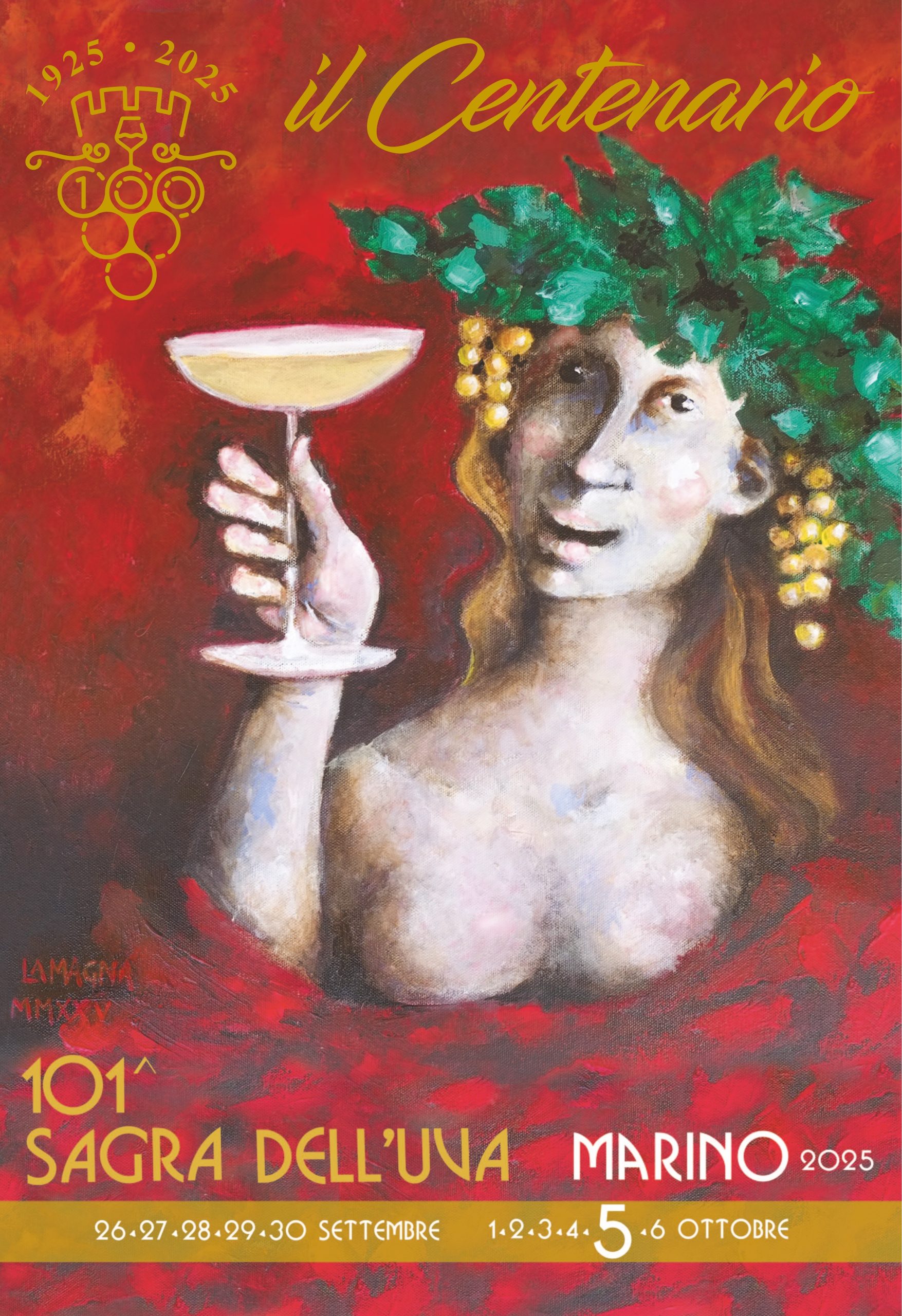 Oggi vi racconto di una festa che mescola storia, vino e un pizzico di magia: la Sagra dell’Uva di Marino, famosa soprattutto per il suo “miracolo”: fontane che sgorgano vino.
Un po’ di storia
Marino è una cittadina nei Castelli Romani, non lontana da Roma. Quest’anno è la 101a ricorrenza di questa popolare festa. La sagra nasce nel 1925, grazie all’intuizione del poeta Leone Ciprelli, che voleva celebrare insieme la tradizione vitivinicola locale e un importante evento storico: la vittoria di Marcantonio Colonna nella battaglia di Lepanto (1571). La ricorrenza del 7 ottobre, festa della Madonna del Rosario, è legata appunto a questo episodio.
Che succede durante la sagra?
-
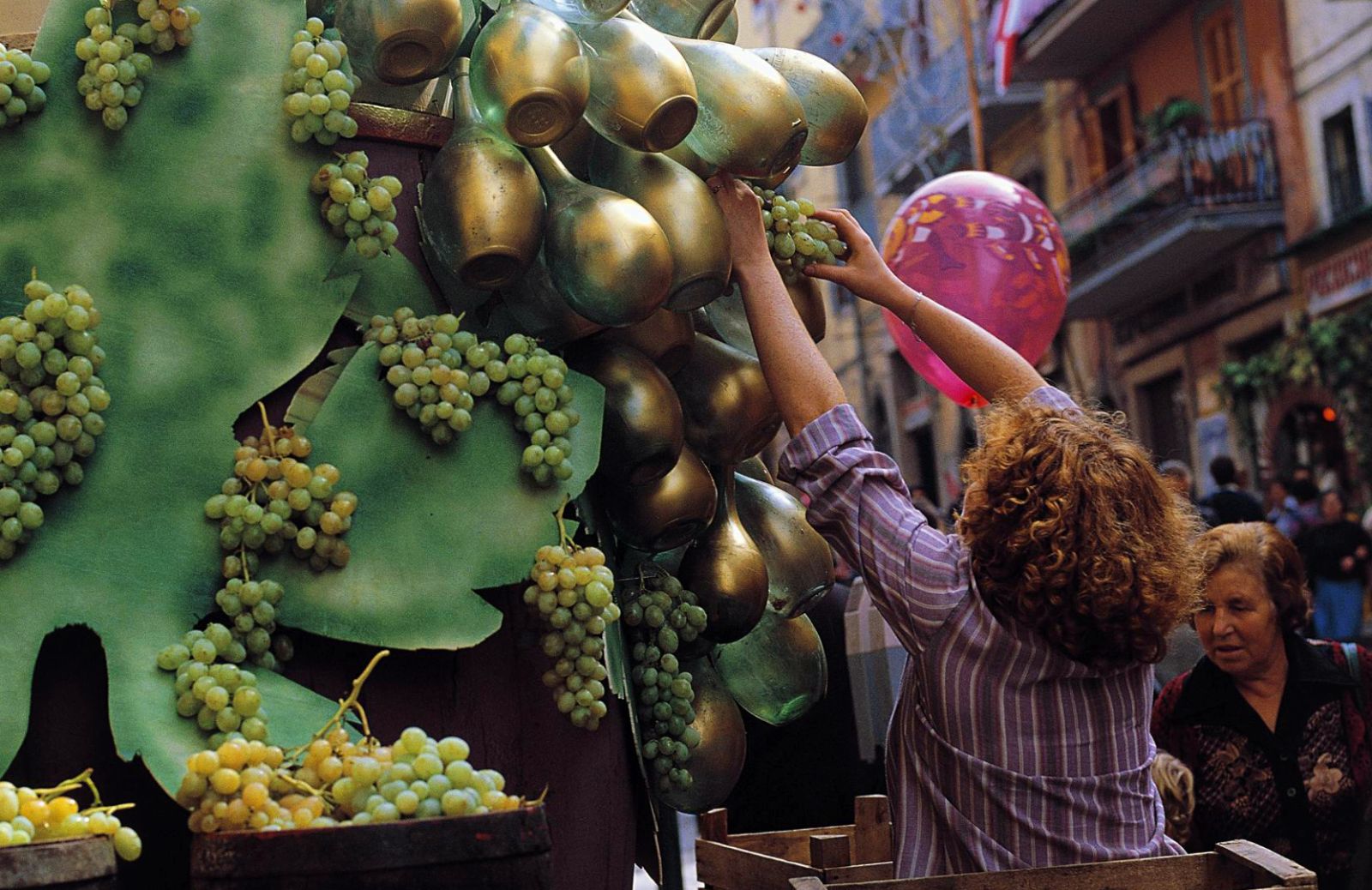
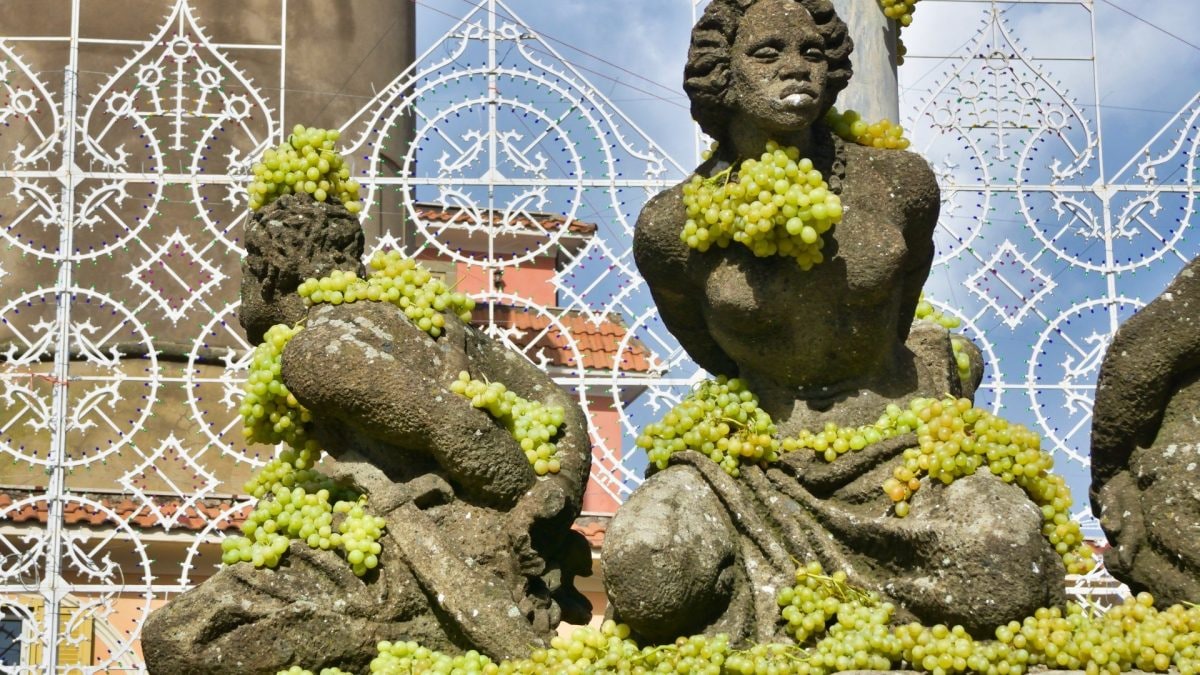
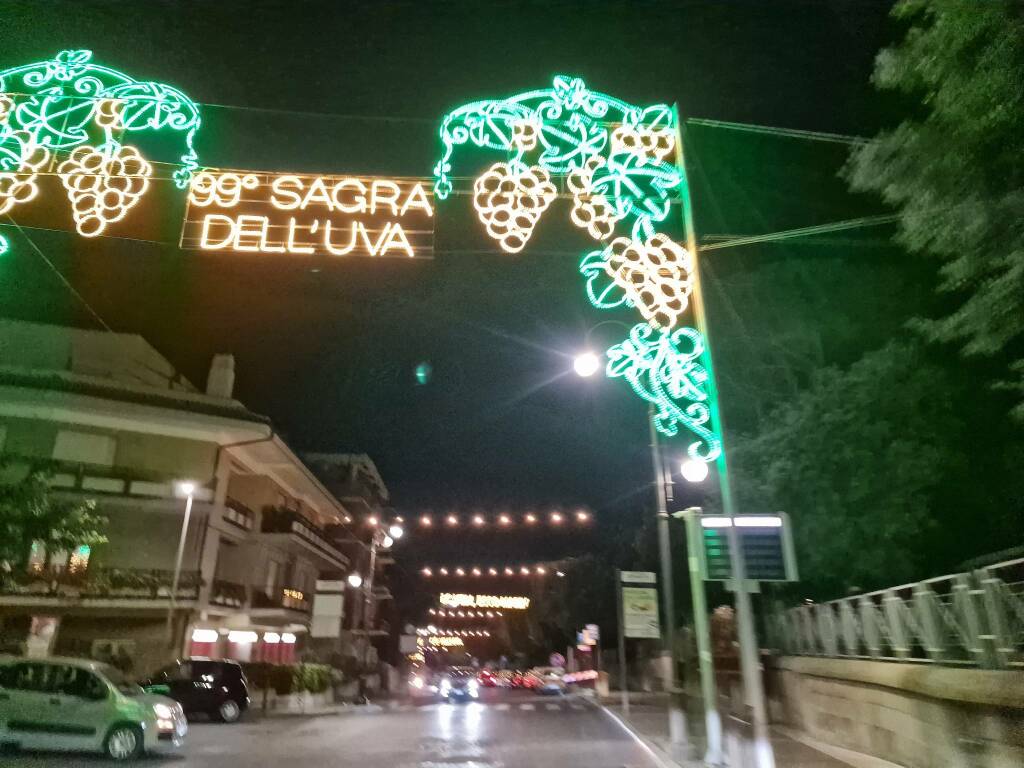
 Le strade del centro storico si decorano con grappoli d’uva, rami, fiori, e simboli della vendemmia.
 -
C’è una sfilata storica: persone in costumi rinascimentali e medievali rievocano il ritorno del Colonna a Marino, acclamato come eroe.
-
Bancarelle, musica, spettacoli folkloristici, artisti locali, profumo di cucina: porchetta, formaggi, dolci della tradizione.
-
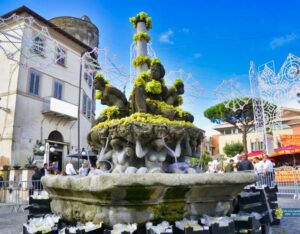
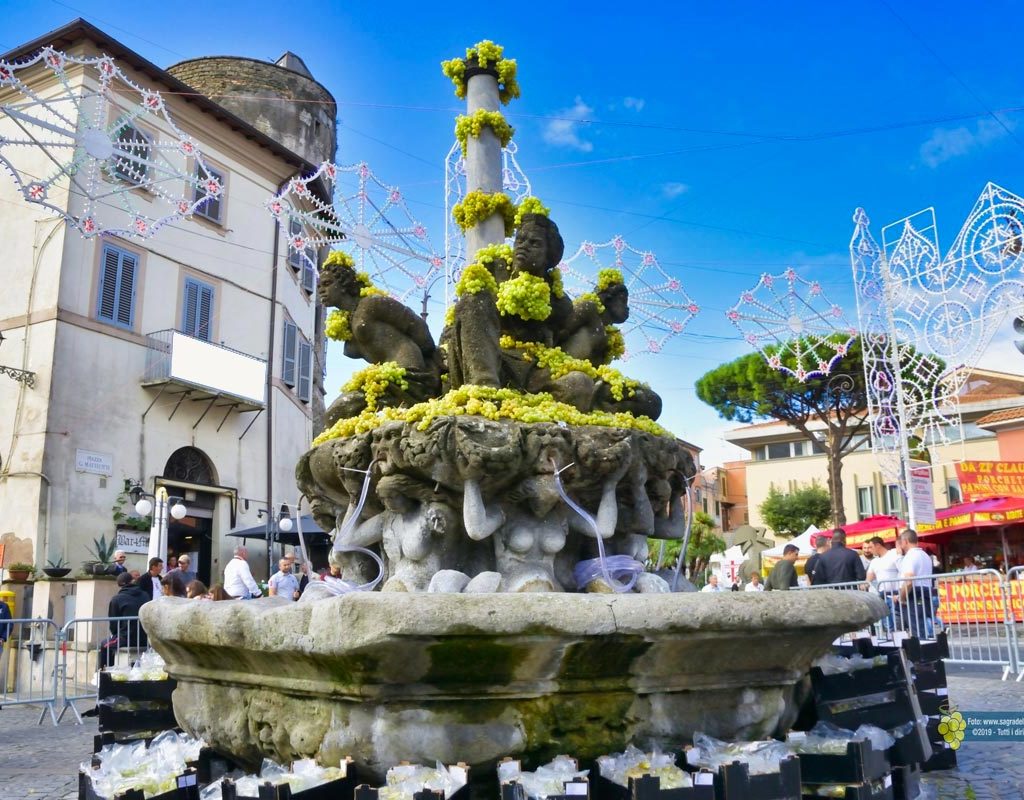
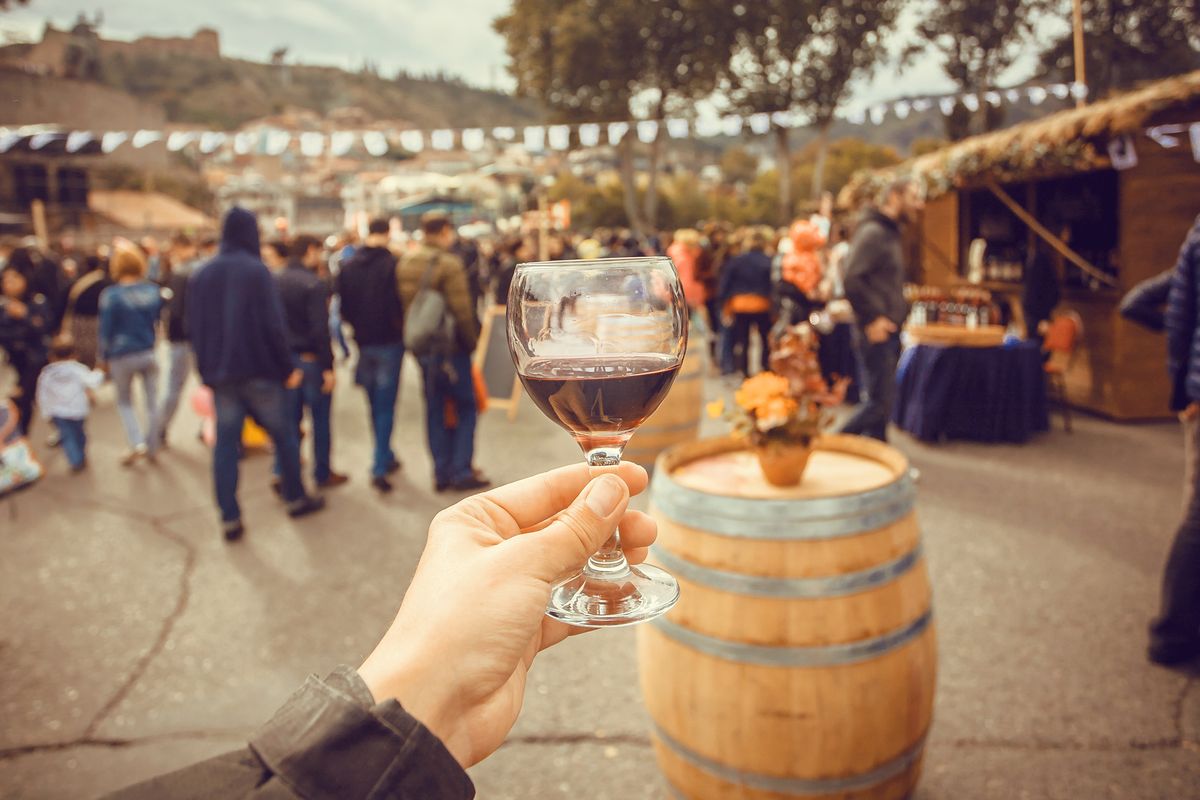
 Ma il momento più atteso è il miracolo delle fontane: per un breve periodo, la Fontana dei Quattro Mori — e in alcuni anni anche altre fontane — invece che acqua, lasciano scorrere il vino! Sì, avete capito bene: vino gratuito, offerto a tutti i presenti. Una celebrazione sensoriale, anche un po’ teatrale.
Perché è speciale
-
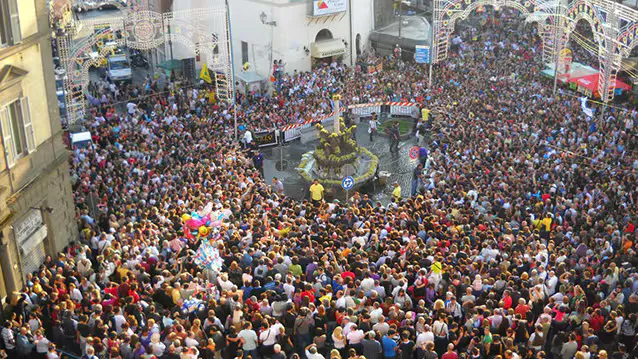
 È un festival dove la comunità si sente unita: Marino non è solo turista, è il luogo di tutti quelli che ci abitano.
 -
Si respira storia. Non è solo vino, ma racconto: ritorni di eroi, devozione religiosa, memoria popolare.
-
È festa per tutti i sensi: non solo vista e gusto, ma odori della vendemmia, suoni della musica popolare, il tocco fresco del vino quando lo assaggi.
English translation: The Marino Grape Festival: when fountains flow with wine
Hello everyone!
 Today I’m sharing about a festival that mixes history, wine, and a touch of magic: the Sagra dell’Uva di Marino, famous especially for its “miracle”: fountains flowing with wine.
A bit of history
Marino is a town in the Castelli Romani, not far from Rome. This year is 101st recurrence of this popular festival. The festival began in 1925, thanks to the idea of the poet Leone 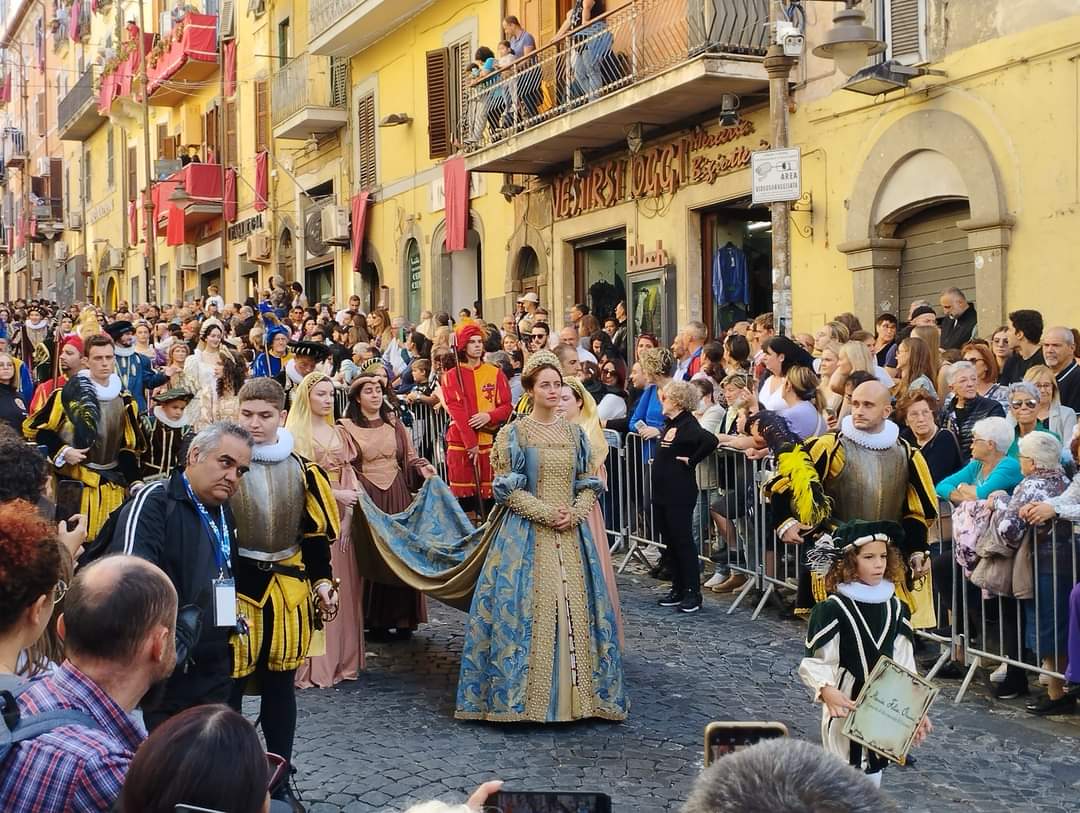 Ciprelli, who wanted to celebrate both the local wine-growing tradition and an important historical event: Marcantonio Colonna’s victory at the Battle of Lepanto (1571). The date of October 7, the Feast of Our Lady of the Rosary, is linked to that event.
What happens during the festival?
-
The streets of the historic center are decorated with bunches of grapes, vines, flowers, and symbols of the harvest.
-
There is a historical parade: people in Renaissance and medieval costumes reenact Colonna’s return to Marino, celebrated as a hero.
-
 Stalls, music, folk performances, local artists, and the smells of traditional cuisine: porchetta, cheeses, sweets.
 -
But the most awaited moment is the miracle of the fountains: for a short time, the Fountain of the Four Moors — and in some years other fountains — instead of water, flow with wine! Yes, you read that right: free wine, offered to everyone present. A sensory and even theatrical celebration.
Why it’s special
-
 It’s a festival where community feels united: Marino isn’t just for tourists, it’s for everyone who lives there.
 -
You can feel history. It’s not only about wine, but about storytelling: return of heroes, religious devotion, popular memory.
-
It’s a feast for all the senses: not just sight and taste, but the smells of harvest, the sounds of folk music, the feel of fresh wine when you try it.
 Lascia un commento! Leave a Comment! Sei mai andato ad una degustazione di vino? Dove e quando? Have you ever been to a wine tasting? When and where? Preferisce il vino rosso o bianco? Do you prefer red or white wine? Qual e’ il tuo vino preferito? What’s your favorite wine?