Ferragosto: Italy’s Ancient Summer Celebration
For post in Italian, see below.
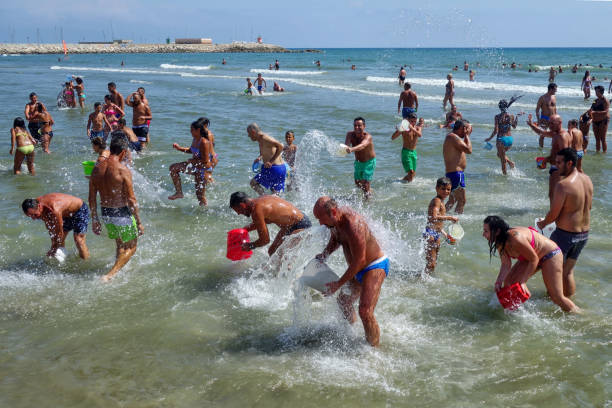
Ferragosto, celebrated every year on August 15th, is a major holiday in Italy, marking the peak of summer and a blend of ancient Roman traditions and Catholic beliefs. For many Italians, it signals the start of a lo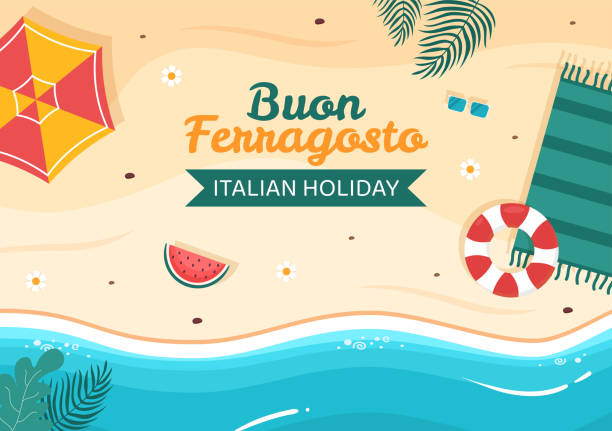 ng summer vacation, with cities emptying out as people flock to beaches, lakes, and mountains for relaxation. You’ll definitely notice the impact if you’re in a city in Italy, with many stores closing down around Ferragosto, giving the urban centers a sleepy vibe.
The roots of Ferragosto stretch back over 2,000 years to ancient Rome. The name comes from the Latin phrase Feriae Augusti, meaning “Festivals of Augustus,” established by Emperor Augustus in 18 BCE. Augustus created this holiday to provide a period of rest and celebration after the intense work of the summer harvest. It was a time for workers to take a break and for the emperor to honor the gods associated with agriculture.
 During the Augustali celebrations, various festivals took place throughout the month of August to celebrate the harvest. Horse races were a common form of entertainment across the Roman Empire. Even the animals that worked in the fields were given a break, adorned with flowers and paraded in a show of gratitude. Workers would also greet their masters and receive monetary tips, a custom that eventually became law in the Papal States during the Renaissance.
The tradition of horse racing continues today in Siena’s Palio dell’Assunta on August 16th. This event dates back to the Renaissance and is considered one of the most exciting and intense horse races in the world. The very name “palio” comes from the pallium, the precious fabric that served as prizes in the ancient Roman races.
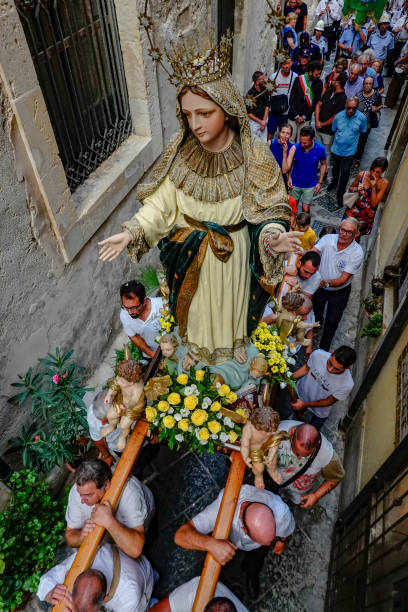
In the 7th century CE, the Catholic Church adopted Ferragosto, setting August 15th as the Feast of the Assumption of Mary. This celebrates the belief that Mary, the mother of Jesus, was taken body and soul into Heaven. The merging of the pagan festival with the Christian feast created a uniquely Italian holiday that combines historical roots and religious devotion.
During the Fascist regime in the 1920s, the tradition of taking a trip during Ferragosto was further promoted. The regime organized discounted trips through recreational organizations, making it possible for less affluent people to visit Italian cities or spend time at the seaside and mountain resorts. These “People’s Trains of Ferragosto” helped solidify the association of the holiday with travel and leisure.
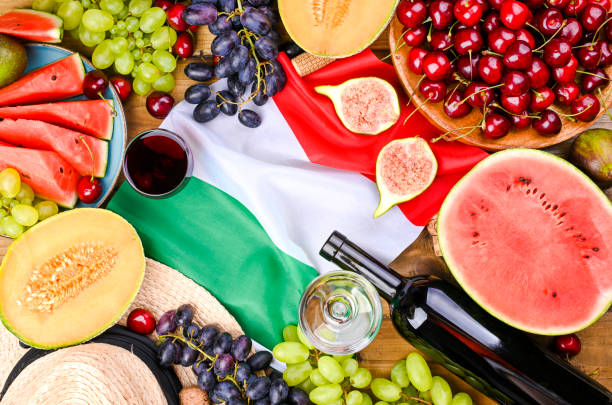
Today, Ferragosto is celebrated with family gatherings, picnics, and outdoor activities. Many Italians enjoy a traditional Ferragosto lunch, often a barbecue or picnic with family and friends. Whether spent at the beach, in the mountains, or at home, food remains central to the celebrations.
Each region of Italy has its own culinary traditions associated with Ferragosto. The feasts often feature seasonal produce and local specialties, showcasing the country’s diverse gastronomic heritage. From roasted game to sun-ripened fruit, the foods of Ferragosto reflect the bounty of the summer harvest.
Ferragosto is more than just a summer holiday; it’s a celebration of Italian history, culture, and traditions. It’s a time to relax, enjoy good food, and spend time with loved ones, carrying on customs that have been observed for thousands of years.
Leggi in Italiano
Ferragosto: L’Antica Celebrazione Estiva Italiana
Il Ferragosto, celebrato ogni anno il 15 agosto, è una festività importante in Italia, che segna l’apice dell’estate e unisce antiche tradizioni romane e credenze cattoliche. Per molti italiani, segna l’inizio di una lunga vacanza estiva, con le città che si svuotano mentre le persone si riversano su spiagge, laghi e montagne per rilassarsi. Se ti trovi in una città italiana, noterai sicuramente l’impatto, con molti negozi che chiudono durante il Ferragosto, conferendo ai centri urbani un’atmosfera sonnolenta.
Le radici del Ferragosto affondano in oltre 2.000 anni fa, nell’antica Roma. Il nome deriva dalla frase latina Feriae Augusti, che significa “Festività di Augusto”, istituita dall’imperatore Augusto nel 18 a.C. Augusto creò questa festività per offrire un periodo di riposo e celebrazione dopo l’intenso lavoro della mietitura estiva. Era un momento per i lavoratori di prendersi una pausa e per l’imperatore di onorare gli dei legati all’agricoltura.
Durante le celebrazioni degli Augustali, si svolgevano varie feste durante tutto il mese di agosto per celebrare il raccolto. Le corse di cavalli erano una forma comune di intrattenimento in tutto l’Impero Romano. Anche gli animali che lavoravano nei campi ricevevano una pausa, adornati con fiori e parati in segno di gratitudine. I lavoratori salutavano anche i loro padroni e ricevevano mance in denaro, un’usanza che alla fine divenne legge negli Stati Pontifici durante il Rinascimento.
La tradizione delle corse di cavalli continua ancora oggi con il Palio dell’Assunta a Siena il 16 agosto. Questo evento risale al Rinascimento ed è considerato una delle corse di cavalli più emozionanti e intense al mondo. Il nome stesso “palio” deriva dal pallium, il prezioso tessuto che serviva come premio nelle antiche corse romane.
Nel VII secolo d.C., la Chiesa Cattolica adottò il Ferragosto, fissando il 15 agosto come Festa dell’Assunzione di Maria. Questa celebrazione commemora la credenza che Maria, la madre di Gesù, sia stata assunta in cielo, anima e corpo. La fusione della festa pagana con la festa cristiana ha creato una festività unicamente italiana che combina radici storiche e devozione religiosa.
Durante il regime fascista negli anni ’20, la tradizione di fare un viaggio durante il Ferragosto fu ulteriormente promossa. Il regime organizzò viaggi scontati attraverso organizzazioni ricreative, rendendo possibile anche alle persone meno abbienti di visitare le città italiane o trascorrere del tempo nei resort marittimi e montani. Questi “Treni Popolari del Ferragosto” contribuirono a consolidare l’associazione della festività con viaggi e tempo libero.
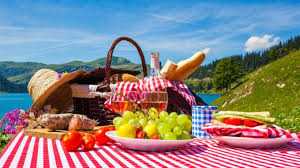 Oggi, il Ferragosto si celebra con riunioni familiari, picnic e attività all’aperto. Molti italiani si godono un tradizionale pranzo di Ferragosto, spesso un barbecue o un picnic con familiari e amici. Che si trascorra in spiaggia, in montagna o a casa, il cibo rimane centrale nelle celebrazioni.
Ogni regione d’Italia ha le proprie tradizioni culinarie associate al Ferragosto. I banchetti presentano spesso prodotti stagionali e specialità locali, mostrando il ricco patrimonio gastronomico del paese. Dalla selvaggina arrosto alla frutta maturata al sole, i cibi del Ferragosto riflettono l’abbondanza del raccolto estivo.
Il Ferragosto è più di una semplice vacanza estiva; è una celebrazione della storia, della cultura e delle tradizioni italiane. È un momento per rilassarsi, gustare buon cibo e trascorrere del tempo con i propri cari, portando avanti usanze osservate da migliaia di anni.
Did you learn anything new about the Italian tradition of Ferragosto? Do you have any special or favorite summer traditions you celebrate?
Love to hear your comments! Leave them below! 🌞 Buon Ferragtosto!